














.png.webp)


































6 Simple Tips On How To Play With Your Newborn Baby

Being a new parent at home can be hard. While it’s filled with an enveloping kind of love, it can also feel incredibly lonely. The visits tend to thin out after a few weeks, and very soon you find you’re trying to fill your days with anything to make the time pass just a little more quickly!
You’re certainly not alone! You can love your baby with all of your being, but still find filling your days a little monotonous. Finding ways to play with your baby can work as a way to fill your days and make things feel a little more fun. But where to start? We spoke to the team at Playgroup NSW to get some answers and give some tips on how to play with a newborn.
6 Tips on How to Play with Your Newborn:
Talk (or make sounds) with your baby
Start reading to your baby – it’s never too early to start doing this
Use body language and expression to communicate with your baby
Use touch to allow your baby to explore their senses
Aim to provide opportunities for your baby to have some time on their tummy each day
Why is play important even with newborn babies?
Play is essential for your newborn baby’s development as well as their wellbeing.
Whilst your baby is playing, they are beginning to learn about themselves and the world around them.
By playing with your baby and offering them simple and new ways to connect and observe, it supports them to grow! It achieves this by building new brain connections, by learning to speak and understand, and by building new muscles.
Playing with your baby also allows you to build a connection with each other, to build trust and to increase their feelings of security and wellbeing.
Young babies are slowly beginning to spend more time awake and are becoming interested in what is happening around them. They’re growing every day and are becoming stronger and more able to make coordinated movements. Babies are increasingly able to respond to familiar voices and formulate responses such as smiling or cooing.
Playing with my newborn
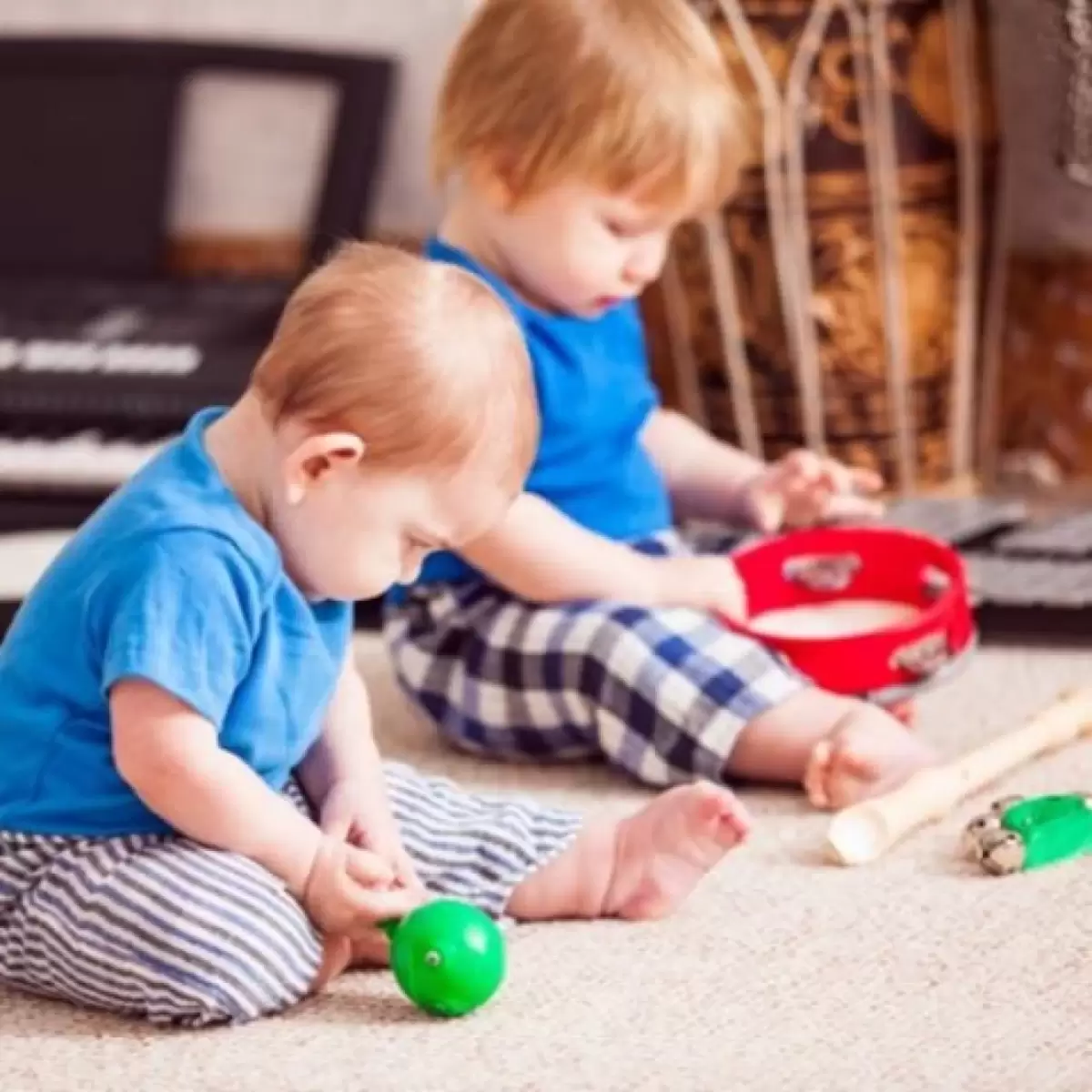
In the first few months of a baby’s life, newborns depend on others to lead interaction. Play with newborns is simply about the interactions between you and your baby. Toys and games are not actually essential at this time. The great thing about early play is these types of play experiences and interactions can be adapted to the specific needs of the baby and the adult as well as to the environment and time available.
It’s important to provide your baby with opportunities to explore play in different types of environments where possible. Spend time with them in different rooms, in different environments - such as indoor and outdoor spaces - as well as spending time interacting with different people.
Talk (or make sounds) with your baby.
When you spend time talking to babies in a conversation-like way, you’ll soon hear and see them start to respond to you in their own way with sounds, gurgles and smiles. Talking to your baby in this way shows your baby that conversations are about taking turns, listening and then responding.
Sing to your baby.
Newborns love the sounds of voice, the different tones and repetitive words. You’ll soon find they love to hear and later join in nursery rhymes and songs that involve your touch like ‘Round and round the garden’. It’s even more enjoyable for you both when you include your favourite songs, or songs from your childhood of your culture.
Start reading to your baby – it’s never too early to start doing this!
You can use simple larger picture books and try to hold the book close, as newborns can see only about 20-30cm from their face. This will support your babies’ early literacy and language development as well as fostering a lifelong love of reading.
Use body language and expression to communicate with your baby.
You could start by to making faces, smiling, laughing, sticking out your tongue or blowing raspberries. Babies are mesmerised by watching faces and by doing so they are learning to communicate. A great time to try this type of play is when you’re changing your babies clothes or nappy as you’re close up face-to-face - and it makes it much more fun!
Use touch to allow your baby to explore their senses.
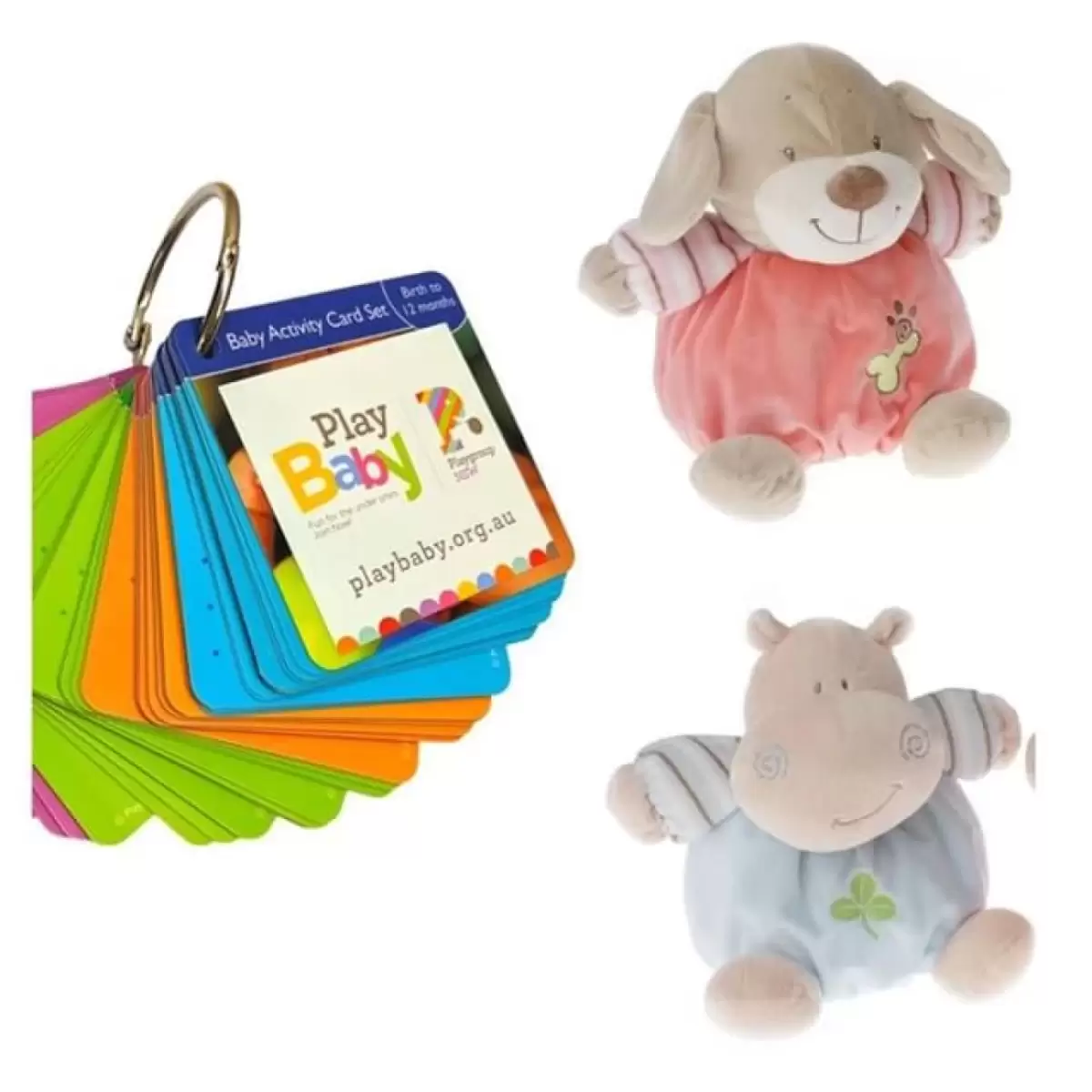
Babies love to grasp and hold tight so you could give your baby some differently textured objects to feel, such as small, soft squishy toys, smooth rattles, or cloth books with pages of different textures, like crinkle books!
Aim to provide opportunities for your baby to have some time on their tummy each day.
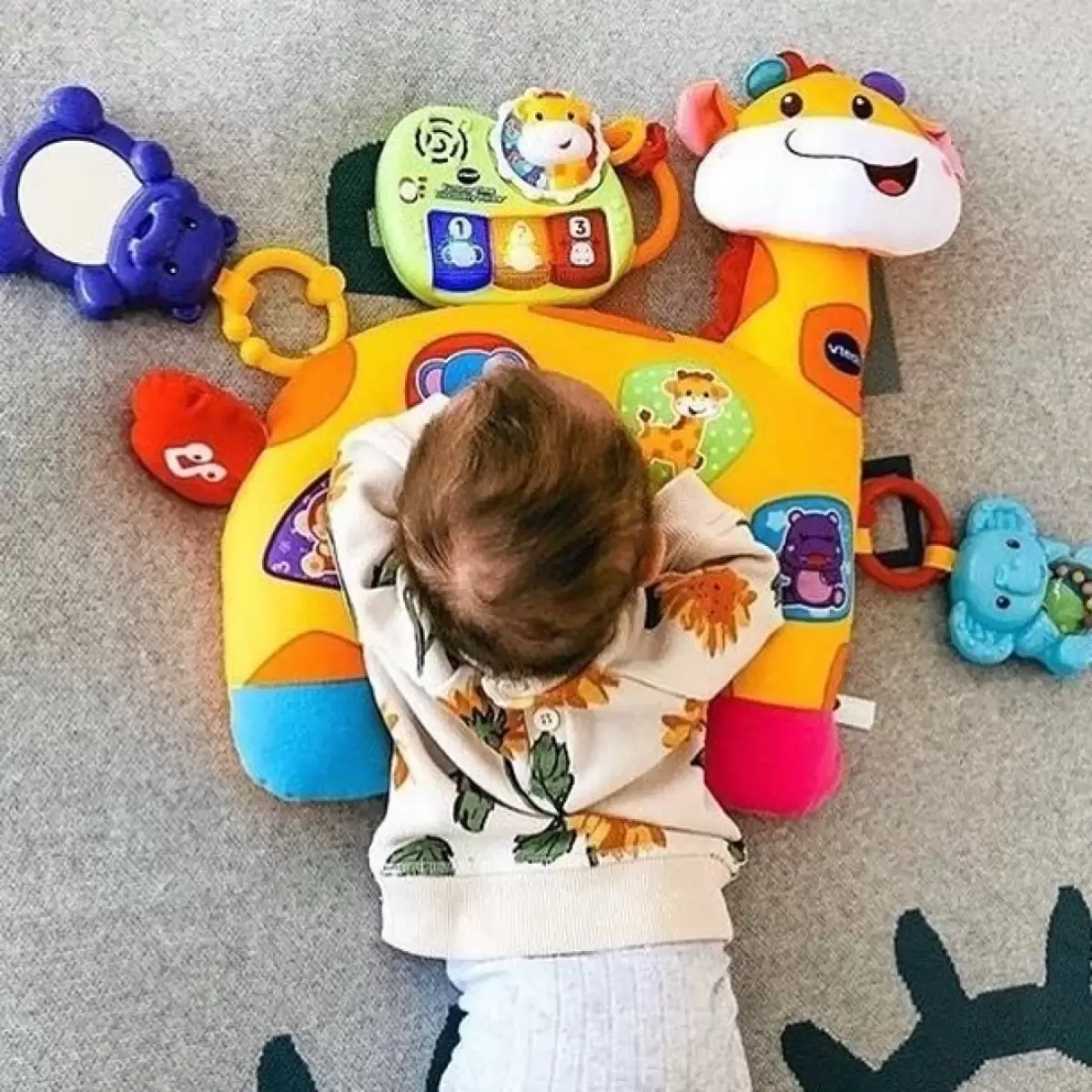
Start with very short bursts initially and extend the length of time slowly. Tummy time gives your baby a chance to gradually develop their muscles in their neck and shoulders to begin being able to hold up their head unaided.
Just a gentle reminder to ensure you’re always supervising during any tummy time and to always place your baby to sleep in their back (as per Red Nose recommendations). Tummy time also allows babies to see the world around them from another perspective. Cool eh?
A great tip: read your child’s signals
When babies are very young, they have a different way of expressing their emotions. As language is not yet available, they use other ways of telling you when they’ve had enough or when they’re frustrated: they might scrunch their hands, they may fuss and squirm, change facial expression, or even – you guessed it – cry!
Watch your baby’s behaviour closely when they’re playing and learn to identify these signals and what they mean. Remember some of these simple gestures can mean that your baby is ready to have a break from the play. This body language can also help you understand which experiences your child loves, and which they’re not vibing with!
And remember to enjoy these experiences, the more fun it is the more you will both gain from the experience.
Playing with a newborn is all about simple, gentle interaction. In the early weeks, your baby learns most through your voice, touch, and expressions. Try talking softly, singing lullabies, or making gentle eye contact while holding them close. You can also show them high-contrast toys or soft rattles to catch their attention. Even short moments of play help your baby feel secure and start recognising your face and voice — that’s the foundation of bonding and early learning.
The best time to play is when your baby is awake, calm, and alert — usually after a nap or feed. Look for signs like bright eyes, gentle cooing, or relaxed movements, which mean they’re ready to engage. Avoid overstimulation when your baby is fussy or tired. Newborns have short attention spans, so just a few minutes of play at a time is enough to make a big difference in their development and connection with you.
Newborns don’t need many toys — in fact, you are their favourite playmate! Choose simple, safe, sensory toys that stimulate sight, sound, and touch. Black-and-white or high-contrast cards, soft cloth books, and rattles are great for visual focus. A baby-safe mirror can also keep them fascinated as they begin to recognise their reflection. Always check that toys are age-appropriate, non-toxic, and free from small parts that could be a choking hazard.
Play is essential for your baby’s brain and emotional development, even from day one. Every smile, song, and cuddle helps strengthen their neural connections and builds the foundation for learning and communication. Physical play, like gentle tummy time, helps strengthen neck, shoulder, and arm muscles — all important for rolling, sitting, and crawling later on. Play also teaches your baby to trust and connect with you, fostering a sense of security that supports healthy emotional growth.
That’s perfectly normal — newborns are still adjusting to the world around them. In the first few weeks, their playtime looks more like quiet observation. Keep your interactions gentle and simple — talk to them, smile, and offer your finger for them to hold. As their eyesight and awareness improve over the next few months, you’ll notice your baby becoming more responsive and curious. Consistency is key — every small, loving interaction helps them learn and grow.