










.png.webp)































The 10 Best Baby Formulas in Australia for 2026

Updated October 2026
By One Fine Baby Editorial Team
Choosing a baby formula can feel surprisingly overwhelming. Walk down the formula aisle and you'll find organic options, goat milk formulas, A2 protein blends and tins covered in ingredients you've probably never heard of before. And when you're trying to make the right decision for your baby, it's easy to wonder where on earth to start.
The good news? Infant formulas sold in Australia must meet strict nutritional requirements, so you don't necessarily need the most expensive tin or the longest ingredients list to give your baby appropriate nutrition.
Whether you're exclusively formula feeding, combination feeding or looking for an alternative because breastfeeding isn't working for your family, what matters most is finding an age-appropriate formula that meets your baby's nutritional needs.
At One Fine Baby, we connect with leading baby brands and thousands of Australian parents through our expos in Sydney, Melbourne and Brisbane. Alongside our product research, these conversations help us understand the questions families have when navigating their feeding options.
To make things a little easier, we've brought together ten baby formulas available in Australia for 2026, covering everything from standard cow's milk formulas to organic, goat milk and other specialised options.
We'll also explain what the different formula types mean, what to look for on the label and when it's worth speaking to your GP or child health nurse before making a change.
Because feeding your baby comes with enough questions already. Choosing a formula shouldn't leave you feeling even more confused.
The Best Formula Milk in Australia in 2026
Disclaimer: A Note About Choosing Baby Formula
Every baby's feeding journey is different. Breastfeeding is recommended where possible, but infant formula is a regulated, nutritionally complete alternative for babies who are not breastfed or who are combination fed.
All infant formulas sold in Australia must meet applicable nutritional and safety requirements. The best choice for your baby depends on their age, individual needs and any medical considerations, rather than price or premium ingredients alone.
This guide is designed to help you understand the different options available, not replace personalised medical advice. If your baby has suspected allergies, ongoing feeding difficulties, poor weight gain or persistent digestive symptoms, speak with your GP, paediatrician or child health nurse before changing formulas.

Price: $32.50
Mumamoo is one of the best formula for infants and toddlers nutritionally complete and formulated using the highest quality ingredients and essential vitamins & minerals. Developed by science and backed by mums, each tin of mumamoo is made with 100% Australian cow’s milk and is proudly GMO free.
What makes it different?
As parents, we always want to give the best to our children. We want to make sure they’re consuming the right amount of vitamins and minerals and that they’re getting adequate nutrition.
What makes mumamoo formula different is that it's proudly 100% Australian made & owned and is owned by four Australian mothers, with eight children of their own! Because they know intimately that no feeding journey is the same, they are incredibly supportive of all the ways we might need to feed our babies - check out some of their #feedfearlessly stories that celebrate the raw and the real when it comes to feeding.
Nutritionally complete and formulated using the highest quality ingredients, including prebiotics, postbiotics and essential vitamins and minerals, it's been developed with science and backed by mums. Each tin of mumamoo is also made with 100% Australian cow's milk and is proudly GMO free.


Developed by Science, Backed by Mums
- 100% Australian Made & Owned
- Owned by mums, uniquely female owned
- 100% Australian Cows Milk
- With added Probiotics & Prebiotics, omega-3 and 6.
- Supportive of all feeding journeys
- Proudly supporting PANDA (Perinatal Anxiety & Depression Australia)
- GMO Free
- Nutritionally Complete, Scientifically Developed
Real customer reviews:
"“We tried multiple different formulas with our little girl, all of which were causing diarrhoea or constipation, since swapping to mumamoo she has been much happier.”" - Kal, R - NSW
"“I switched to mumamoo a few weeks ago and not only was the swap SO easy and gentle on her tummy, but the gas has gone completely. Really excellent formula.”" - Portia, NSW
"“This is the first and only formula we tried with our Bub and she loves it, didn’t upset her tummy at all. I also really value that its Australian made and owned.”" - O Richards

Price: $33
Bellamy's Organic has long been a familiar name in Australian baby food, and its Step 1 Infant Formula is an option for parents who prefer organically sourced ingredients. Designed for babies from birth to six months, this certified organic formula provides complete nutrition for formula-fed babies during those early months.
Why it's different
Bellamy's Organic Step 1 has recently been reformulated, with a palm oil-free recipe and a combination of two prebiotics: galacto-oligosaccharides (GOS) and fructo-oligosaccharides (FOS).
The formula is made with certified organic milk ingredients and includes DHA and ARA, along with essential vitamins and minerals. It's also dual-certified organic, with the brand's sourcing and production processes subject to organic certification requirements.
Why try it?
If choosing organic ingredients is important to your family, Bellamy's offers a straightforward option without having to venture into more specialised formula categories.
It's worth remembering that organic formula isn't necessarily more nutritious or easier to digest than conventional infant formula. All infant formulas sold in Australia must meet applicable nutritional standards, and the best choice is one that's appropriate for your baby's age and individual needs.
Bellamy's Step 1 is based on cow's milk protein, so it isn't suitable for babies with cow's milk protein allergy. If you have concerns about allergies or feeding difficulties, speak with your healthcare professional before changing formulas.
Key features
- Certified organic Step 1 infant formula
- Suitable from birth to six months
- Cow's milk-based formulation
- Updated palm oil-free recipe
- Contains organic GOS and FOS prebiotics
- Includes DHA and ARA
- Contains essential vitamins and minerals
- Dual-certified organic ingredients
- 800g tin
- Contains milk, fish and soy allergens
""After going through 5+ different formulas, Bellamys has been a winner! Our little one had everything from constipation, diarrhoea and weight loss with other brands. We were almost at our wits end when our GP suggested Bellamys. Now bub has minimal reflux, easily passes stools and is more alert during the day."" - Tayla
Price: From $23
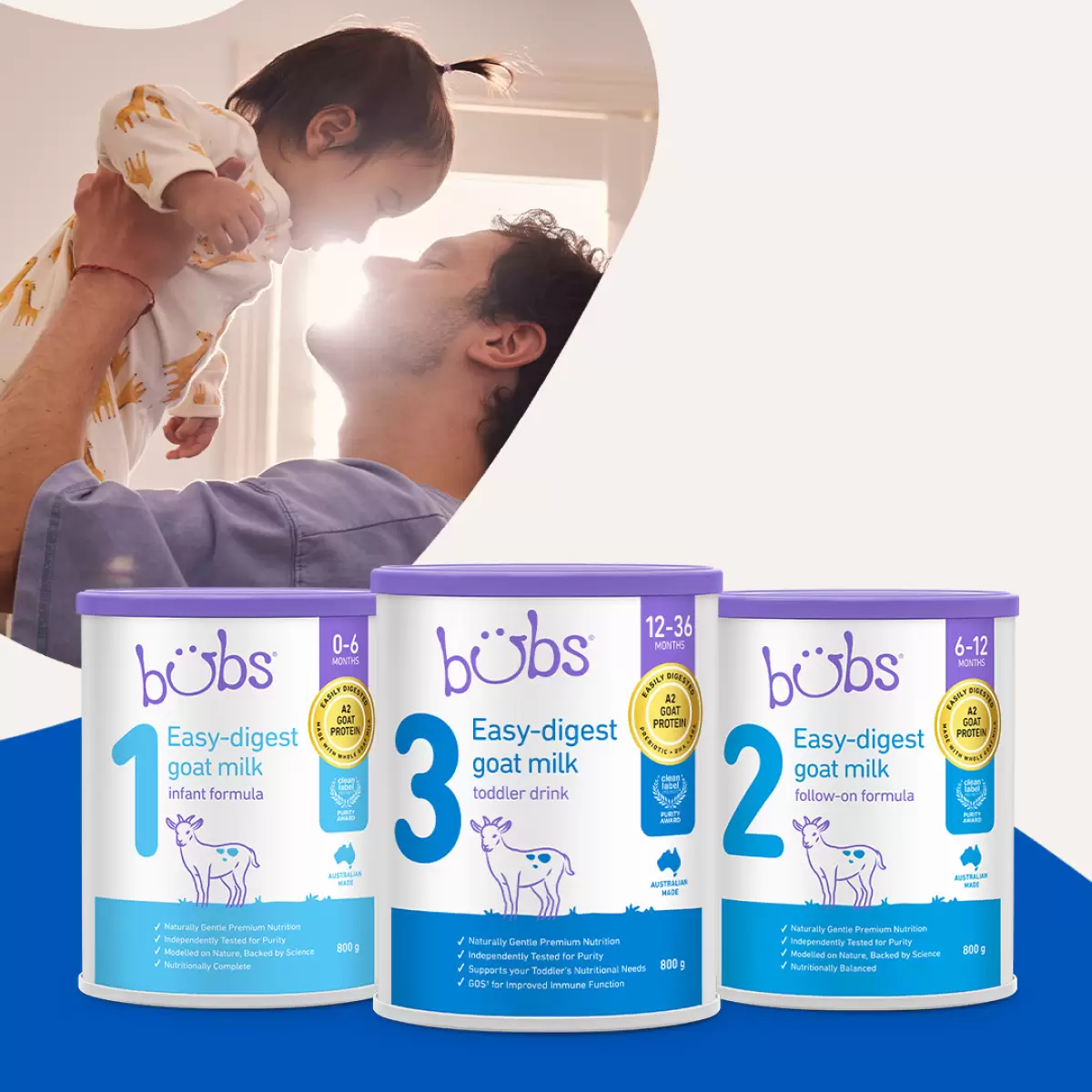
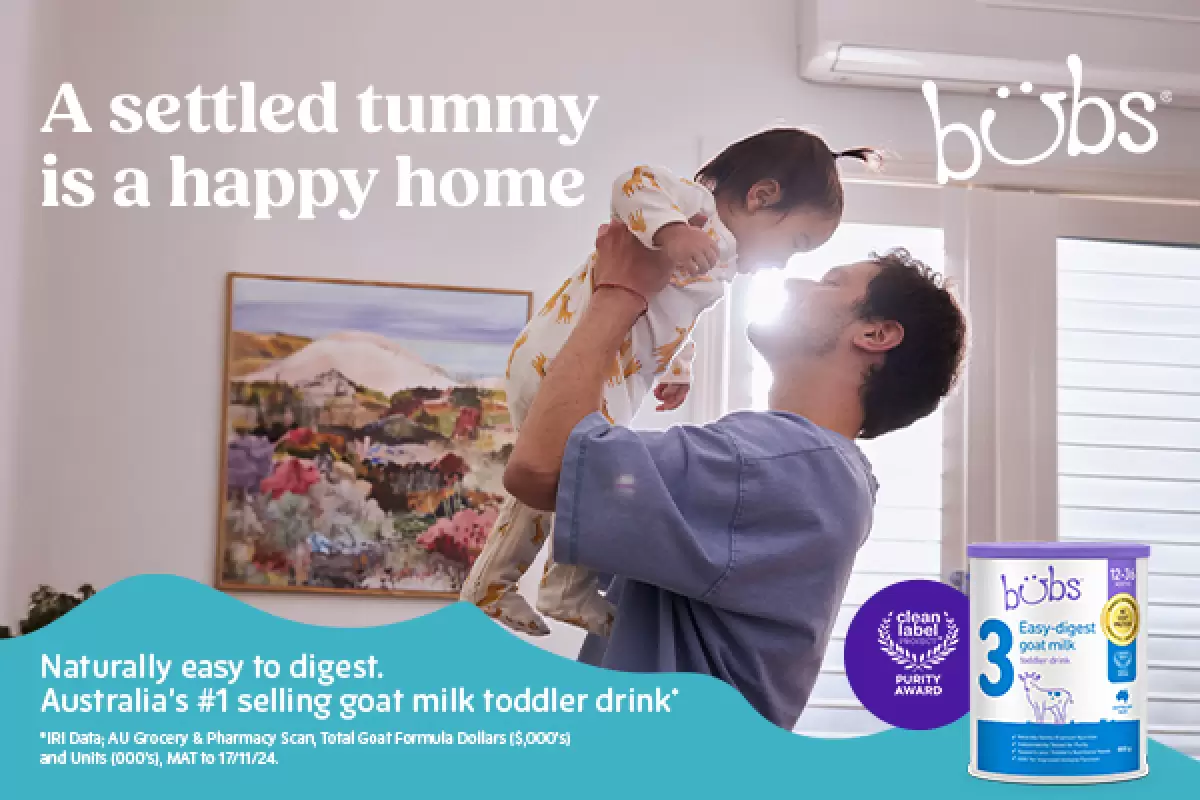
Bubs Australia has made a name for itself with its goat milk formula range, offering parents another option when choosing how to feed their little ones. Made with naturally occurring A2 goat milk proteins and blended and packed in Victoria, Bubs Easy-digest Goat Milk Formula is designed for families who prefer a goat milk-based formulation.
Why it's different
Rather than using cow's milk as its main dairy ingredient, Bubs uses goat milk sourced from selected farmers. Its Stage 1 Infant Formula combines goat milk solids with lactose, galacto-oligosaccharide (GOS) prebiotics, DHA, ARA and essential vitamins and minerals.
The range also includes Stage 2 Follow-on Formula for babies from six months, along with separate toddler and growing-up milk products for older children.
Bubs highlights its carefully managed supply chain, Australian blending and packing, and Clean Label Project certification as part of its approach to quality.
Why try it?
If you're interested in exploring goat milk formula, Bubs offers an established Australian range with options for different age groups.
Although goat milk has a different protein composition from cow's milk, it isn't necessarily easier for every baby to digest. It's also important to know that goat milk formula is not suitable for babies with cow's milk protein allergy, as the proteins can trigger similar allergic reactions.
For healthy, full-term babies, the Stage 1 formula is an age-appropriate option from birth. If your baby has persistent digestive symptoms, suspected allergies or feeding difficulties, speak with your GP or child health nurse before changing formulas.
Key features
- Goat milk-based infant formula range
- Stage 1 suitable from birth to six months
- Naturally occurring A2 goat milk proteins
- Contains GOS prebiotics
- Includes DHA and ARA
- Contains essential vitamins and minerals
- Non-GMO formulation
- Clean Label Project certified
- Blended and packed in Victoria, Australia
- Stage 1 available in 400g and 800g tins
- Contains dairy and soy allergens
Exclusive offer for One Fine Baby audience:
Use the code OFB15 to enjoy 15% off sitewide.
*IRI Scan Data: Dollars ($000’s) & Units AU Grocery & Pharmacy combined MAT 2/6/25

Price: From $28.99
HAPPi Health takes a slightly different approach to infant formula. Rather than offering one formulation for every feed, the Australian brand has developed separate Day and Night formulas, each with its own blend of nutrients. It's an interesting concept for parents exploring the different infant formula options available in Australia.
What makes it different?
HAPPi's Stage 1 range includes two cow's milk-based formulas designed for babies from birth to six months. The Day formula is marketed for feeds between 5am and 5pm, while the Night formula is designed for feeds between 5pm and 5am.
Both are made using Australian organic milk ingredients and contain DHA, ARA, and a combination of galacto-oligosaccharide (GOS) and fructo-oligosaccharide (FOS) prebiotics.
The main difference is in their nutrient profiles. HAPPi Day contains a blend of nucleotides and iron formulated for daytime use, while HAPPi Night includes a different nucleotide blend and added tryptophan.
While the brand's day-and-night concept is distinctive, it's important to know that there's currently insufficient independent clinical evidence to conclude that using separate day and night formulas improves infant sleep or development compared with standard infant formula.


Why try it?
For families interested in Australian-made infant nutrition, HAPPi offers a different approach to the traditional single-formula range.
Both Stage 1 products are marketed as nutritionally complete for babies aged zero to six months, with no added sucrose, artificial colours or flavours.
However, babies don't need separate day and night formulas to meet their nutritional requirements. A standard, age-appropriate infant formula can provide complete nutrition without switching products throughout the day.
As HAPPi's formulas contain cow's milk protein, they aren't suitable for babies with cow's milk protein allergy. If you're considering changing your baby's formula because of sleep, digestion or feeding concerns, it's best to speak with your GP or child health nurse first.
Key features
- Australian-made and Australian-owned brand
- Separate Day and Night Stage 1 infant formulas
- Suitable from birth to six months
- Cow's milk-based formulations
- Made with Australian organic milk ingredients
- Contains DHA and ARA
- Includes GOS and FOS prebiotics
- Different nucleotide blends in Day and Night formulas
- Night formula includes added tryptophan
- No added sucrose, artificial colours or flavours
- Available in 600g tins
- Contains milk and soy allergens
Real customer reviews:
"“Happi Milk has been amazing these last couple of weeks. I’ve noticed my girl getting a full nights rest. And sleeping in as well as a Happier and more content little Miss the next Day. The Milk Drink has a great smooth consistency, smells great and mixes well in the bottle. I think that having 2 different tins one for Day and One for night is a great idea and helps me keep track. I definitely will be buying Happi Milk again because we love it and I think it’s at a great price. Definitely recommend!”" - Rachel
"“Tried the HAPPi Day & Night milk drinks and my little one loved them. Easy to use containers and scoops. Different coloured containers to easily distinguish between day time and night time. My little one drank them all up and was very content and rested when going to sleep. I would highly recommend these for other parents of babies/toddlers and will use them again when I have another child.”" - Megan

Price: $45.95
LittleOak takes a slightly different approach to baby formula, starting with fresh whole goat milk sourced from New Zealand rather than pre-dried milk powder. Its Natural Goat Milk Infant Formula with Olive Oil is designed for babies from birth to six months, with a carefully considered ingredient list that includes a blend of plant-based oils.
What makes it different?
LittleOak's standout feature is its From Fresh process. The brand uses fresh whole goat milk and a single spray-drying process, rather than starting with pre-dried milk powder.
It's also certified 100% palm oil-free, with a proprietary oil blend that includes pressed olive oil, coconut oil, sunflower oil and flaxseed oil.
The formula contains naturally occurring A2 goat milk proteins, along with added galacto-oligosaccharide (GOS) prebiotics, DHA from algae and ARA. It's made without soy ingredients, canola oil, GMOs or added sucrose.


Why try it?
If you're considering goat milk formula, LittleOak offers an alternative to traditional cow's milk-based options, with a focus on ingredient sourcing and its manufacturing process.
We particularly like that the brand offers its Stage 1 formula in both 800g tins and convenient travel sachets, which could come in handy when you're out and about with your little one.
It's important to remember that goat milk formula isn't necessarily easier for every baby to digest, and it's not suitable for babies with cow's milk protein allergy. If you're considering changing formulas because of allergies or persistent feeding concerns, speak with your GP or child health nurse first.
Key features
- Goat milk-based Stage 1 infant formula
- Suitable from birth to six months
- Made in New Zealand using fresh whole goat milk
- Naturally occurring A2 goat milk proteins
- From Fresh manufacturing process
- Certified 100% palm oil-free
- Oil blend with pressed olive, coconut, sunflower and flaxseed oils
- Contains GOS prebiotics
- Includes DHA from algae and ARA
- No soy ingredients, canola oil, GMOs or added sucrose
- Available in 800g tins and 6 x 30g travel sachets
Real customer reviews:
"“Love this formula. My little guy reacted to cow's milk formula. This seems like this might be a bit more gentle on the stomach. I had discussions with the team from LittleOak before trying. They were amazing. They were so supportive of my concerns around trying it. Thankfully they do the sachets and we did a few trials with success. Thanks for your support around my concerns. We are now happily mixed feeding our thriving chubby bub.”" - Kate T.
"“We switched formulas as I was starting formula full time with my little one - after doing my research and hearing about how pure/good the ingredients where I decided to opt for LittleOak. Not only does my bub guzzle this down, the mum guilt of not being able to breastfeed has totally gone because this product is great quality and she is so HAPPY when feeding! “" - Ally C

Price: $42.50
Oli6 is an Australian-owned baby formula brand with a focus on goat milk nutrition. Its Stage 1 Goat A2 Milk Infant Formula is designed for babies from birth to six months, offering a cow's milk alternative for families interested in exploring goat milk-based feeding options.
Why it's different
Oli6 uses goat milk containing naturally occurring A2 proteins, combined with a blend of prebiotics and probiotics.
Its formula contains two human milk oligosaccharide (HMO) ingredients, 2'-FL and LNnT, alongside the probiotic Bifidobacterium longum BB536. These ingredients are included as part of the brand's approach to infant gut nutrition, although their presence doesn't necessarily mean the formula will be easier for every baby to digest.
Oli6 also includes DHA sourced from algae, ARA and essential vitamins and minerals. And for parents who prefer to shop locally, the formula is manufactured in Australia.

Why try it?
If you're considering goat milk formula, Oli6 offers an Australian-made option with a combination of A2 goat milk proteins, prebiotics and probiotics.
Another practical advantage is availability. Oli6 is stocked through major Australian retailers, including Coles, Woolworths and Chemist Warehouse, making it relatively convenient to purchase alongside your everyday essentials.
It's important to remember that goat milk formula isn't automatically gentler than cow's milk formula, and it's not suitable for babies with cow's milk protein allergy. If you're thinking about switching because of persistent digestive discomfort, reflux or suspected allergies, speak with your GP or child health nurse first.
Key features
- Stage 1 goat milk infant formula
- Suitable from birth to six months
- Made with goat milk containing A2 proteins
- Includes 2'-FL and LNnT oligosaccharides
- Contains Bifidobacterium longum BB536 probiotic
- Includes DHA sourced from algae and ARA
- Contains essential vitamins and minerals
- Australian-made and Australian-owned brand
- Available through major Australian supermarkets and pharmacies
- 800g tin
- Contains milk allergens
Real customer reviews:
"My child suffered from reflux and found this milk to be so gentle. We tried many and found they loved the goat milk better than the cow’s milk." – Missy O (August 2024)
"Gentle on little bellies. Went from being constipated and full of gas to being settled and having regular bowel movements within a week or so. Couldn’t recommend more highly." – Ashleigh Treloar (March 2024)

Price: $46
Nutura Organic is proudly Australian-owned and made, with a focus on fresh, locally sourced milk and certified organic ingredients. Its Stage 1 Infant Formula is designed for babies from birth to six months, offering a cow's milk-based option for parents who prefer organic ingredients without moving into specialised formula categories.
Why it's different
Nutura's point of difference is its Fresh Milk Difference approach. Rather than relying solely on pre-dried milk powder, the brand uses fresh organic milk from Australian grass-fed cows as a key ingredient in its formulation.
The formula is made with A2 protein cow's milk and has a whey-dominant protein profile, with a 60:40 whey-to-casein ratio. It also contains naturally occurring milk proteins, including lactoferrin and immunoglobulins, alongside added prebiotics, DHA, ARA and essential vitamins and minerals.
Nutura is certified organic by ACO and NASAA, and its formula is manufactured in Victoria, Australia.
Why try it?
If buying Australian-made products and choosing organic ingredients are important to your family, Nutura is an option worth considering.
Its Stage 1 formula includes galacto-oligosaccharides (GOS) and fructo-oligosaccharides (FOS), two types of prebiotics commonly found in infant formula formulations. It also contains DHA and ARA, along with the vitamins and minerals required for infant nutrition.
It's worth remembering that organic certification, A2 proteins and a whey-dominant formulation don't necessarily make a formula easier for every baby to digest or nutritionally superior to other compliant infant formulas.
And because Nutura is made with cow's milk protein, it isn't suitable for babies with cow's milk protein allergy. If you're concerned about allergies or persistent feeding difficulties, speak with your GP or child health nurse before switching formulas.
Key features
- Certified organic Stage 1 infant formula
- Suitable from birth to six months
- Australian-owned and manufactured in Victoria
- Made with fresh organic milk from Australian grass-fed cows
- Contains A2 cow's milk proteins
- Whey-dominant formulation with a 60:40 whey-to-casein ratio
- Contains GOS and FOS prebiotics
- Includes DHA and ARA
- Contains lactoferrin and immunoglobulins
- Includes essential vitamins and minerals
- Made with non-GMO ingredients
- ACO and NASAA certified organic
- 800g tin
- Contains milk, soy and fish allergens
Real customer reviews:
""My 2-year-old has become such a fussy eater and it stresses us out not knowing if she's getting all the proper nutrients that a growing toddler needs, ever since starting Nutura's organic toddler milk our girl has been so happy, she's going to bed fuller which is giving her a better night's sleep and gives us great peace of mind. I will be sure to keep giving this to my daughter as a part of her daily routine! Not to mention its great packaging and very appealing tin.“" - Stacey Beach
""So happy to have discovered Nutura, as an organic grass fed option top up for our 5 month olds breastfeeds. It wasn’t easy for me to accept formula as an option but pumping to try regain my supply was making me exhausted. Using Nutura brings me peace of mind, knowing I now have a happy baby with a full tummy = happy Mumma. Huge thank you to Jill and Matt for making sure I got this formula super speedy as we don’t have organic grass fed options where I live. Would recommend to any other parent conscious about ingredients in formula."" - Jess L

Price: $39.99
Biostime is a familiar name in infant nutrition, and its SN-2 BIO PLUS HPO Infant Formula offers an Australian-made option for parents exploring different formula ingredients. Designed for babies from birth to six months, this cow's milk-based formula combines essential nutrients with an added prebiotic and probiotic blend.
Why it's different
The standout feature is Biostime's HPO formulation, which stands for Harnessing the Power of Oligosaccharides. It includes 2'-fucosyllactose (2'-FL), a human milk oligosaccharide (HMO), alongside the probiotic Bifidobacterium infantis M-63.
Together, these ingredients form what the brand describes as a synbiotic blend. While prebiotics and probiotics are an area of ongoing infant nutrition research, their inclusion doesn't automatically mean a formula will improve digestion or immunity compared with other compliant infant formulas.
Biostime also uses cow's milk sourced from Gippsland, Victoria, and its formula is manufactured in Australia. The recipe is palm oil-free and includes DHA, ARA, vitamins and minerals.
Why try it?
If you're interested in a formula with added HMOs and probiotics, Biostime offers an option that's relatively easy to find through major Australian retailers, including Coles and Chemist Warehouse.
Another practical feature is the choice of an 800g tin for everyday use or a smaller 150g tin, which may be handy for travelling or trying the product before purchasing a larger quantity.
As with any infant formula, the most important consideration is whether it's appropriate for your baby's age and individual needs. Biostime HPO is made with cow's milk protein, so it isn't suitable for babies with cow's milk protein allergy.
If your baby has persistent digestive symptoms, suspected allergies or feeding difficulties, speak with your GP or child health nurse before changing formulas.
Key features
- Stage 1 infant formula suitable from birth to six months
- Cow's milk-based formulation
- Made in Australia using milk sourced from Gippsland, Victoria
- Contains 2'-FL human milk oligosaccharide (HMO)
- Includes Bifidobacterium infantis M-63 probiotic
- Synbiotic blend of an oligosaccharide and probiotic
- Includes DHA and ARA
- Contains essential vitamins and minerals
- Palm oil-free formulation
- Whey-to-casein protein ratio of 60:40
- Available in 800g and 150g tins
- Stocked through selected Australian supermarkets and pharmacies
- Contains milk, soy and fish allergens

Price: $20.99
Karicare is one of Australia's most recognisable baby formula brands, and its Soy Milk Infant Formula offers something a little different from the usual cow's milk and goat milk options. Made with plant-based soy protein, it's designed for babies who require an alternative to standard dairy-based infant formula.
Why it's different
Unlike traditional infant formulas, Karicare Soy is made with soy protein isolate rather than cow's milk protein. It's dairy-free and formulated to provide complete nutrition for formula-fed babies from birth, with age-appropriate complementary foods introduced from around six months.
The formula contains essential vitamins and minerals, including iron, calcium and vitamin D, along with added nutrients such as taurine, choline and L-carnitine.
Karicare also uses non-GMO soy proteins and makes the formula without added preservatives or artificial flavours. Even the tin, lid and scoop are recyclable, which is a thoughtful practical detail.
Why try it?
Why try it?
Karicare Soy may be an option for babies who need a dairy-free formula for specific dietary or medical reasons. However, unlike standard cow's milk-based infant formula, soy formula isn't generally recommended as a first choice for healthy babies without a particular dietary need.
It's especially important to speak with a healthcare professional if your baby has a suspected or diagnosed cow's milk protein allergy. Some babies with this allergy also react to soy protein, and Australian allergy guidance generally reserves soy formula for selected babies over six months of age.
For families who have been advised to use soy formula, Karicare offers an established option that's readily available through Australian supermarkets and pharmacies.
Key features
- Soy protein-based infant formula
- Suitable from birth to 12 months when clinically appropriate
- Dairy-free, plant-based formulation
- Made with non-GMO soy proteins
- Contains essential vitamins and minerals, including iron and calcium
- Includes taurine, choline and L-carnitine
- No added preservatives or artificial flavours
- Halal certified
- Recyclable tin, lid and scoop
- Made in Indonesia
- Available in a 900g tin
- Contains soy allergen
Real customer reviews:
"“Our 9-month-old has CMPA and he loved this from the first bottle we gave him. I wish I’d tried it a lot sooner. Dissolved well and no weird flavour.”" - Hollynow
""We started using this formula because of a suspected cows protein allergy and some pretty horrible eczema. Since using it he has stopped vomiting and his eczema has largely cleared up. The only problem with the formula is that I can’t seem to make it without getting lumps which inevitably block the test, so I have been straining it every time I make it."" - KJB

Price: $40.50
a2 Platinum® is a familiar name in Australian infant nutrition, offering a slightly different take on traditional cow's milk-based formula. Its Premium Infant Formula Stage 1 is made with milk from specially selected cows that naturally produce only the A2 type of beta-casein protein, giving parents another option when choosing a formula for their newborn.
Why it's different
The standout feature is the milk itself. While conventional cow's milk typically contains both A1 and A2 beta-casein proteins, a2 Platinum® uses milk containing only the A2 type.
The Stage 1 formula also has a whey-to-casein protein ratio of 60:40 and contains galacto-oligosaccharides (GOS), a type of prebiotic commonly included in infant formulas. You'll also find DHA, ARA and essential vitamins and minerals.
And for parents who prefer to buy from established brands, a2 Platinum® is made in New Zealand and widely available through major Australian supermarkets and pharmacies.
Why try it?
If you're interested in an A2 milk-based formula, a2 Platinum® offers an alternative to conventional cow's milk formulas, with a straightforward Stage 1 option suitable from birth.
It's important to remember that A2 formula isn't necessarily easier for every baby to digest, and it hasn't been established as nutritionally superior to other compliant infant formulas.
Because it's still made from cow's milk, a2 Platinum® is not suitable for babies with cow's milk protein allergy. It's also not lactose-free.
If your baby is feeding well and growing appropriately on their current formula, there's generally no need to switch simply because another product contains A2 proteins. For persistent feeding concerns or suspected allergies, speak with your GP or child health nurse.
Key features
- Stage 1 infant formula suitable from birth to six months
- Made with cow's milk containing only A2-type beta-casein protein
- Whey-to-casein protein ratio of 60:40
- Contains GOS prebiotics
- Includes DHA and ARA
- Contains essential vitamins and minerals, including iron and calcium
- Includes choline, taurine and nucleotides
- Made in New Zealand
- Available at Coles, Woolworths and Chemist Warehouse
- 900g tin
- Contains milk, soy and fish allergens
Real customer reviews:
"“We came across A2 formula on our third baby after she suffered from bad reflux. As soon as she started it settled with no further issues. Now using it for our fourth baby and would recommend it to my friends and family. Am happy to pay a little more for the great health benefits for my babies. Easy to use the scoop and little lip on the container to level.”" - Bethany Blackman
How to Choose the Best Baby Formula for Your Baby
If you've ever stood in the baby formula aisle wondering what the difference is between all those tins, you're definitely not alone. From organic and goat milk formulas to A2 proteins and added probiotics, there's a lot of information to take in.
But here's something reassuring: all infant formulas legally sold in Australia must meet strict nutritional and safety requirements. That means the most expensive formula isn't necessarily the best one for your baby.
So, how do you choose? Here's what to consider before adding a tin to your trolley.
Start with your baby's age
The first thing to check is whether the formula is suitable for your baby's age.
Stage 1 infant formula, usually labelled from birth or 0–6 months, is designed to meet the nutritional needs of young babies. Standard infant formula can generally continue to be used throughout the first 12 months.
Stage 2, or follow-on formula, is marketed for babies from six months, but switching isn't necessary if your baby is doing well on their existing infant formula. Follow-on formula isn't suitable for babies under six months.
And what about toddler milk? These products are designed for older children and should never be used as a replacement for infant formula during your baby's first year.
Understand the different types of baby formula
Most infant formulas in Australia are made from modified cow's milk, and standard cow's milk-based formula is generally the first option recommended for healthy, full-term babies who aren't breastfed.
You'll also find goat milk formulas, A2 formulas and soy-based options. While they may sound quite different, they aren't automatically more nutritious or easier to digest.
Goat milk formula is made from goat's milk proteins, while A2 formula contains a particular type of cow's milk protein. Neither is suitable for treating cow's milk protein allergy.
Soy formula may be appropriate in certain circumstances, but it's best used following advice from a healthcare professional.
If your baby has a diagnosed allergy or another medical condition, they may need a specialised formula recommended by their doctor.
Don't assume organic means better
Organic baby formula can be appealing if you prefer products made with organically sourced ingredients. But when it comes to your baby's nutritional needs, organic formula isn't automatically superior to conventional formula.
All infant formulas sold in Australia must meet the relevant nutritional requirements, regardless of whether they're organic.
If organic ingredients are important to your family, that's a perfectly reasonable preference. Just remember that certification, price and premium packaging don't necessarily tell you how well a formula will suit your individual baby.
Look beyond the added ingredients
You'll notice plenty of formula tins highlighting ingredients such as DHA, prebiotics, probiotics and human milk oligosaccharides (HMOs).
These ingredients are often included to support particular nutritional or product formulations, but it's important not to assume that more added ingredients automatically make a formula better.
The evidence for specific benefits can vary depending on the ingredient, formulation and outcome being studied.
Rather than choosing a formula based on the longest list of added extras, start with an age-appropriate product that meets Australian requirements and suits your baby's needs.
Be careful with formulas marketed for sensitive tummies
A little wind, occasional spit-up and changes in bowel movements can all be part of normal baby development. They don't necessarily mean your baby needs a different formula.
You'll find products marketed for comfort, reflux, lactose sensitivity and other feeding concerns, but these aren't interchangeable, and some are designed for specific medical needs.
If your baby has persistent vomiting, blood in their stools, significant feeding discomfort, poor weight gain or symptoms that make you concerned, speak with your GP or child health nurse.
It's particularly important not to switch to goat milk, A2 or lactose-free formula as a way of managing a suspected cow's milk protein allergy. These aren't appropriate substitutes for babies with that allergy.
Consider price and availability
Babies can go through quite a few tins of formula, so ongoing cost is worth thinking about.
Rather than comparing the price of each tin alone, check the number of prepared feeds it makes. Different tin sizes and mixing instructions can make two similarly priced products work out quite differently.
Availability matters, too. Choosing a formula that's easy to find at your local supermarket, pharmacy or baby store can make life simpler, particularly when you're running low.
And remember, a more expensive formula isn't necessarily a better choice. A standard, age-appropriate infant formula that your baby tolerates well may be all you need.
Know when to ask for advice before switching
It's tempting to try a different formula whenever your baby seems unsettled, especially when you're tired and hoping for a quick solution.
But frequent formula changes can make it harder to understand what's causing a feeding issue, and some symptoms may have nothing to do with the formula itself.
If your baby is feeding comfortably, growing well and otherwise healthy, there may be no reason to change what you're using.
If you're concerned about allergies, reflux, constipation, ongoing discomfort or weight gain, speak with your GP, paediatrician or child health nurse before switching to a specialised formula.
Ultimately, the best baby formula isn't necessarily the one with the most impressive ingredients list or the highest price tag. It's an age-appropriate formula that meets Australian nutritional requirements and supports your baby's individual feeding needs.
Baby Formula Preparation and Safety: What Parents Need to Know
Once you've chosen a baby formula, the next step is knowing how to prepare it safely. And while making a bottle will probably become second nature before you know it, there are a few important things to get right from the beginning.
Unlike ready-to-drink formula, powdered infant formula isn't sterile, which means careful preparation, cleaning and storage are essential to help protect your baby from harmful bacteria.
Here's what Australian parents should know.
Always follow the instructions on the tin
Different baby formulas can have different scoop sizes and mixing instructions, so it's important to follow the directions for your particular product.
Start by washing and drying your hands, then prepare the bottle on a clean surface using sterilised feeding equipment.
Boil fresh drinking water and allow it to cool to a safe temperature, following Australian infant-feeding guidance and the manufacturer's instructions. Measure the correct amount of water into the bottle first, then add the required number of level scoops using only the scoop supplied with that formula.
Never add extra powder to make a feed more filling, or extra water to make it last longer. Incorrect mixing can affect your baby's hydration and nutrition.
Keep bottles and feeding equipment clean
Babies are still developing their immune systems, so good bottle hygiene is particularly important during the first year.
After every feed, wash bottles, teats and other feeding equipment thoroughly in hot, soapy water, making sure to clean any areas where milk can collect. Rinse well and sterilise using an appropriate method, such as boiling, steam sterilising or an approved sterilising solution.
Always follow the equipment manufacturer's instructions and store sterilised items somewhere clean until you're ready to use them.
Prepare fresh bottles whenever possible
The safest approach is to prepare each bottle just before your baby needs it.
If you need to make formula ahead of time, refrigerate it promptly in a sterilised, sealed bottle at 5°C or below, ideally towards the back of the fridge rather than in the door.
Prepared formula should be used within 24 hours if it has been stored correctly and your baby hasn't started drinking from it.
Never leave prepared formula sitting at room temperature for extended periods. Australian infant-feeding guidance recommends discarding formula that has been at room temperature for more than one hour.
Never save unfinished formula
It's tempting to keep the last little bit of a bottle for later, especially when formula isn't cheap!
But once your baby starts drinking, bacteria from their mouth can enter the milk and multiply.
If your baby hasn't finished their bottle within one hour of starting the feed, throw away the remaining formula. Don't refrigerate it for later, reheat it or add fresh formula to the leftovers.
Warm bottles safely
Baby formula doesn't need to be served warm, provided your baby is happy to drink it at a safe temperature.
If your little one prefers a warm bottle, you can gently warm it by standing the sealed bottle in a container of warm water or using a bottle warmer according to its instructions.
Never heat formula in the microwave. Microwaves can create unevenly heated areas that may burn your baby's mouth, even when the bottle feels cool on the outside.
Always check the milk's temperature on the inside of your wrist before feeding.
Take extra care when preparing formula away from home
Heading out for the day? A little preparation can make formula feeding on the go much easier.
One practical option is to carry cooled, previously boiled water in a sterilised, sealed bottle and the measured formula powder separately, then mix them immediately before feeding.
If you're transporting formula that's already been prepared, it needs to be kept properly chilled and used within the recommended storage period.
And whether you're at home or out and about, always hold your baby during bottle feeds. Never prop a bottle up or leave your baby feeding unattended.
For more information, visit Pregnancy, Birth and Baby's guide to formula feeding or the Australian Government's infant formula preparation and storage advice.
FAQs about formula in Australia
What is the best baby formula in Australia for 2026?
The best baby formula in Australia depends on your baby’s age, feeding needs and digestion. Popular options in 2026 include organic, goat milk, A2 protein and sensitive tummy formulas. Parents should always choose a formula that meets Australian nutritional standards and speak with their healthcare professional if they have feeding concerns.
Is goat milk formula better for babies?
Goat milk formula may suit some babies because it naturally contains A2-type proteins and can be gentler for certain little tummies. Some brands use whole goat milk and minimal processing to support comfortable digestion. However, all infant formulas sold in Australia must meet strict nutrition regulations, and there is no single “best” formula for every baby.
What is A2 infant formula?
A2 infant formula is made using milk that contains only the A2 beta-casein protein type, rather than a combination of A1 and A2 proteins. Some parents choose A2 formulas because they believe they may be easier for some babies to digest. Research is ongoing, so parents should choose the formula that works best for their baby’s individual needs.
Are organic baby formulas worth it?
Organic baby formulas are made using ingredients produced without synthetic pesticides, GMOs or added growth hormones. Many parents choose organic options because of ingredient sourcing preferences, although all regulated infant formulas in Australia are designed to provide complete nutrition for babies when prepared as directed.
Which baby formula is best for sensitive tummies?
Babies with feeding discomfort may benefit from formulas designed with gentle ingredients, prebiotics or goat milk proteins. Anti-colic bottles and paced feeding can also help support feeding comfort. Because every baby is different, parents concerned about reflux, gas or digestion should seek advice from their GP, paediatrician or child health nurse before changing formulas.
Can you switch baby formula brands?
Many babies transition between formula brands without issues, but changes should generally be introduced gradually where possible. Parents may switch formulas for digestion, availability or feeding preference reasons. If your baby experiences ongoing discomfort, allergies or feeding difficulties, it’s important to speak with a healthcare professional before making significant feeding changes.
What should parents look for in infant formula?
When choosing infant formula, parents often compare factors like protein type, organic certification, prebiotics, DHA content and whether the formula is goat milk, soy or dairy based. In Australia, all infant formulas must meet strict nutritional guidelines, so the best choice is usually the one your baby tolerates well and that suits your family’s feeding needs.
Are Australian baby formulas highly regulated?
Yes. Infant formula sold in Australia is regulated under strict food safety and nutrition standards to ensure products meet babies’ developmental requirements. Brands sold legally in Australia must comply with guidelines around ingredients, preparation instructions and nutritional content. Parents should always prepare formula exactly as directed on the packaging and consult healthcare professionals for personalised feeding advice.