













.png.webp)


































Solids: Baby Recipe For Introducing Baby To Solids
What baby food recipes do I start with when introducing solids?
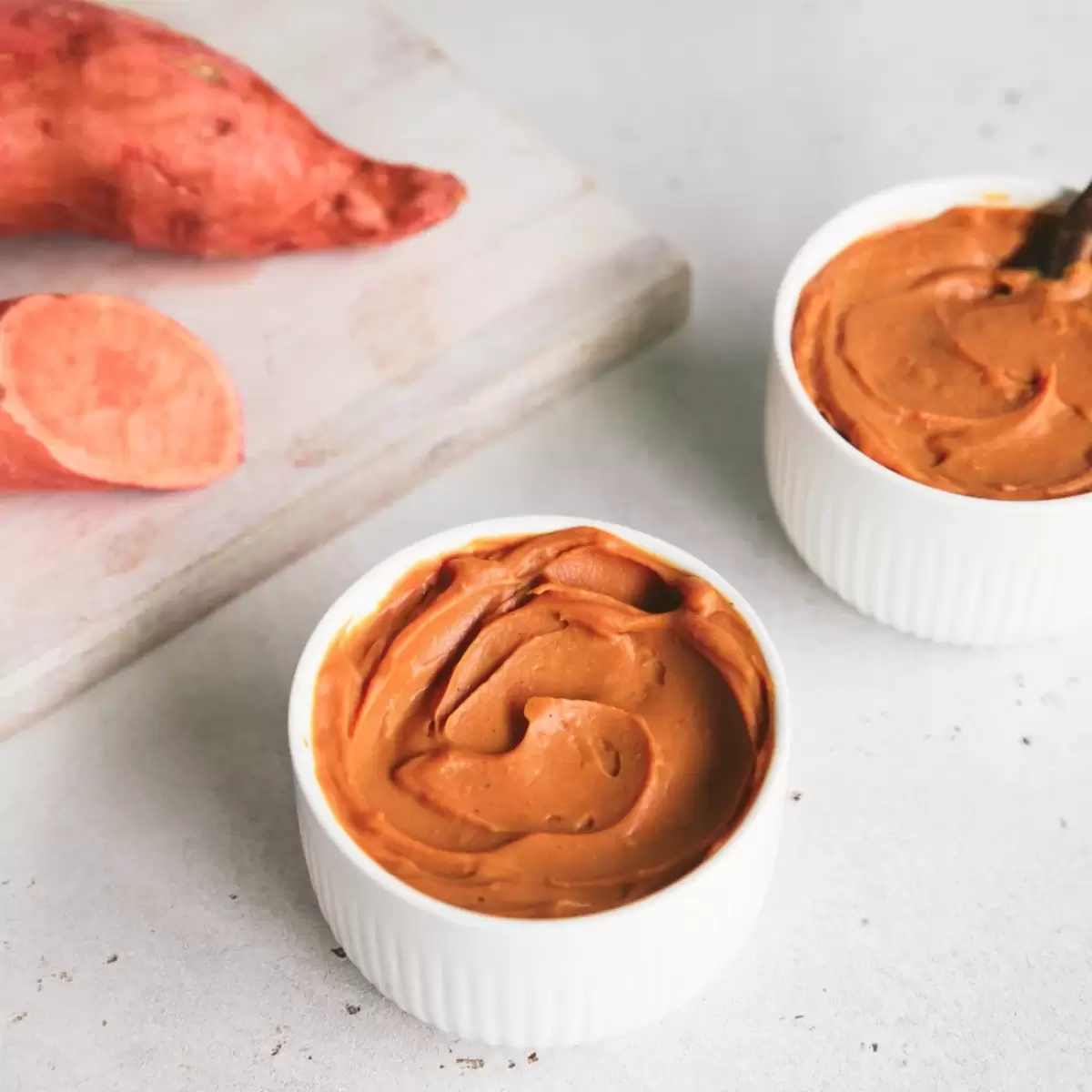
When starting your baby on solids, keep it simple and gentle. Begin with iron-rich cereals or soft, single-ingredient veggies, baby-led weaning recipes like sweet potato, carrot, or peas. Fruits such as bananas, pears, and apples are also perfect first tastes, and creamy avocado adds a boost of healthy fats. Cook everything until tender, then mash or puree to a smooth, easy-to-eat texture, letting it cool completely before serving.

What is a good baby porridge recipe?
Here is the list of quick and gentle baby food porridge recipes for starting solids:
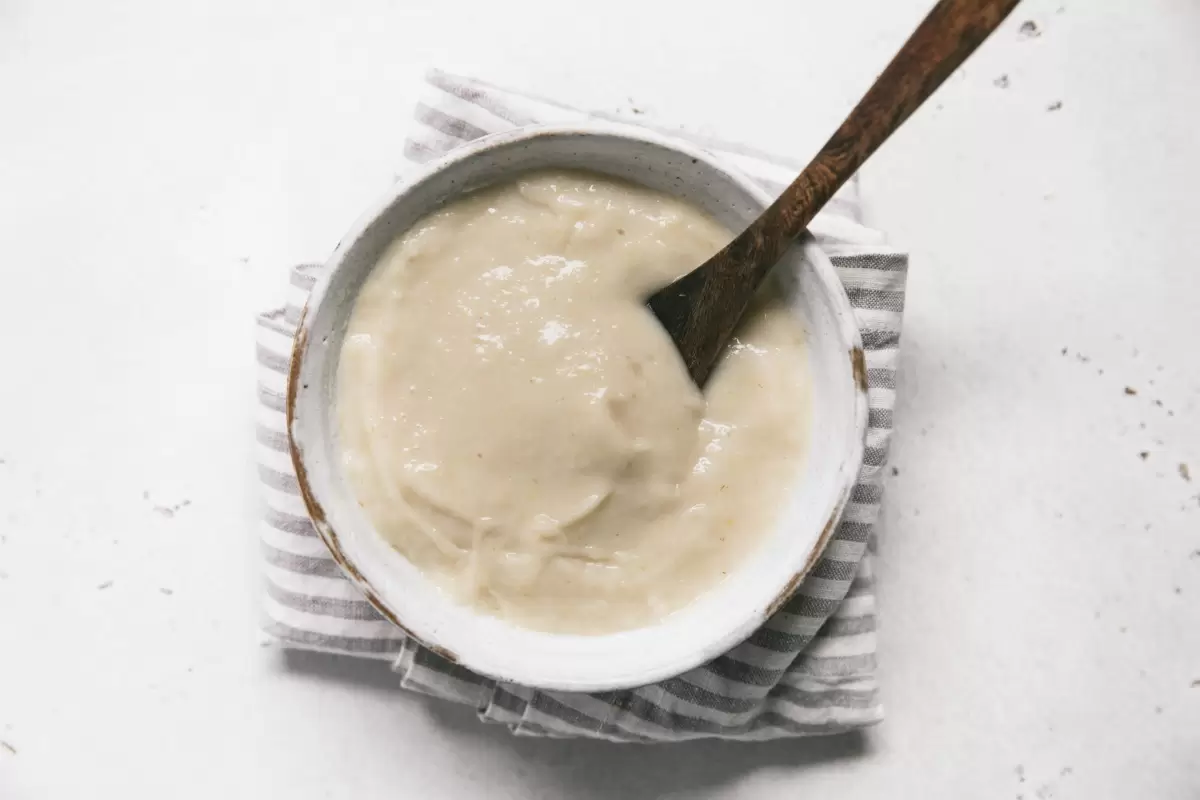
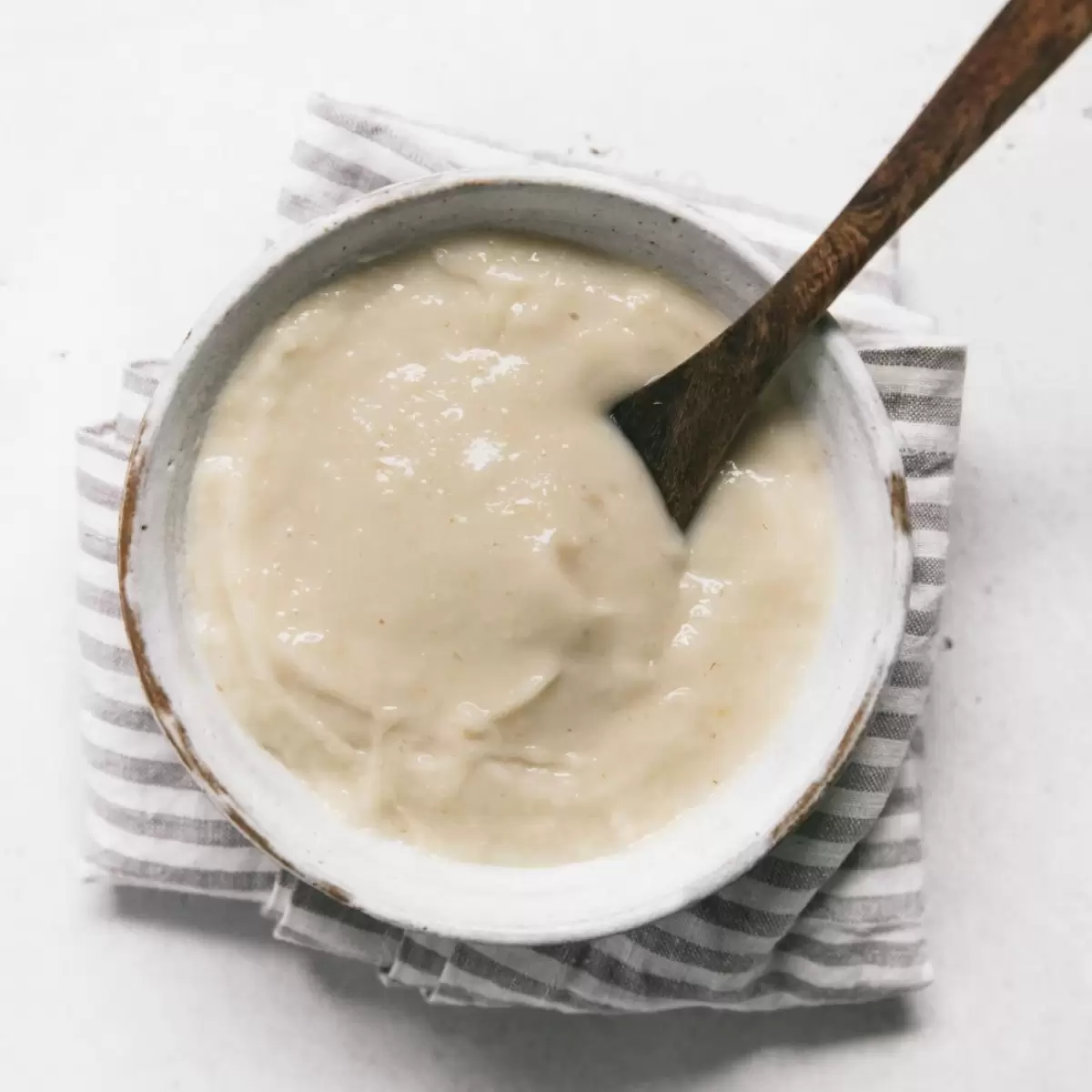
Baby porridge recipe for starting baby solids
Pureed Porridge, Almond Milk and Pear
Serves 10
Prep time: 5 minutes
Cook time: 15 minutes
Ingredients
1/2 cup rolled oats
1 cup water
1/2 cup almond milk
1 pear, peeled, cored and diced
Methods
1. Add oats, water, almond milk and diced pear and bring to a boil. Once boiling, reduce to low and simmer until all liquid has been absorbed by the oats and the pears are soft.
2. Transfer porridge to a blender and blend until smooth. Stir frequently to prevent porridge from sticking.
3. Once puree is cool, divide between 12 small containers. Store in fridge for up to 3-4 days or freezer for 2 months.
From around six months of age many infants will experience a significant decline in stores of nutrients, such as iron and zinc. (1) Sufficient iron is especially important due to its crucial role in the cognitive and motor development of your baby. (1) It is therefore recommended that the first solids you introduce are iron-rich foods, such as pureed meats, fish, or iron-fortified cereals, cooked tofu, or legumes. (3)
Watch this video for a quick guide to starting solids
Ready to make starting solids easier and more fun?
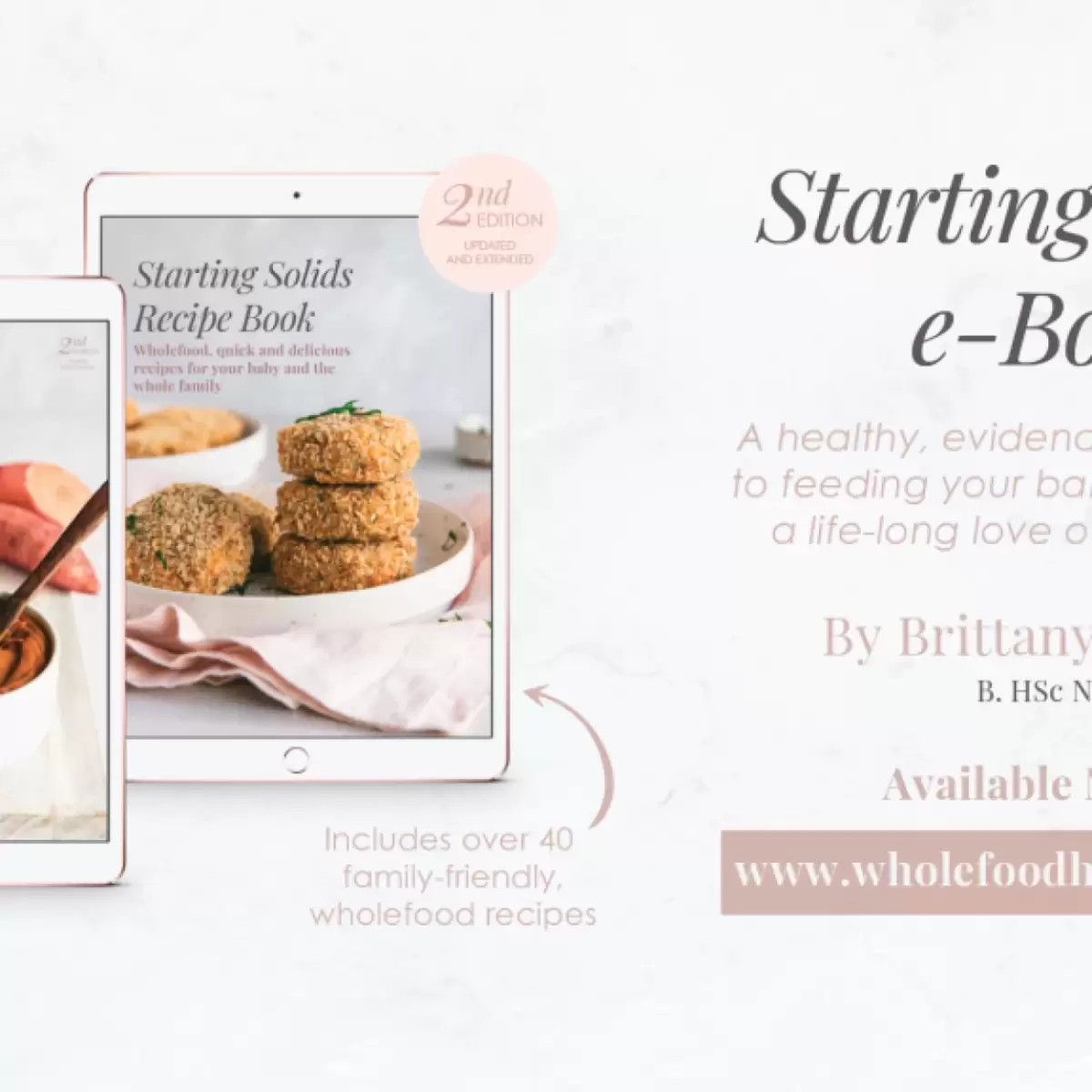
Check out our Quick Guide to Starting Solids for tips and ideas. Or head over to Brittany's website Wholefood Healing, to purchase your Baby Recipe E-Book so that you can have a wide range of choices and get your baby excited about whole foods!
Most babies are ready for porridge at around six months old, when they start showing signs of readiness for solids — like sitting up with support, controlling their head, and showing interest in what you’re eating. Porridge is an ideal first food because it’s smooth, easy to digest, and can be adjusted to your baby’s texture preference. Start with small amounts once a day and gradually increase as your baby gets used to new flavours and textures.
Choose plain, iron-fortified baby porridge or oats made specifically for infants, as these provide essential nutrients like iron and zinc for healthy growth. Avoid flavoured or instant porridge with added sugars, salt, or honey, since babies don’t need extra sweeteners. Once your baby has adjusted, you can mix in mashed fruits like banana, pear, or pumpkin for natural flavour and added vitamins.
Whether using store-bought baby cereal or rolled oats, always cook the porridge until it’s soft and smooth. For younger babies, you can blend or mash it to remove lumps, then thin it with breast milk, formula, or boiled water to get the right consistency. Make sure the porridge has cooled to a warm temperature before feeding, and discard any leftovers your baby didn’t finish — bacteria can grow quickly once it’s been touched.
Yes! Baby porridge is known for being gentle on tiny tummies and easy to digest, which is why it’s often recommended as one of the first solid foods. The natural fibre in oats supports healthy digestion and helps keep your baby’s bowel movements regular. It’s also slow to digest, meaning it provides steady energy and keeps your little one satisfied between meals. If your baby occasionally struggles with constipation, try mixing in some mashed pear, apple, or a spoonful of prune purée — these add both flavour and natural digestive support.
Yes! Making porridge in advance can make mornings so much easier. Just cook a batch, pop it into small containers, and store it in the fridge for a couple of days — or freeze it for later if you want to plan ahead. When it’s time to serve, warm it up and stir in a bit of water, breast milk, or formula to get that soft, creamy texture back. Always give it a quick temperature check before feeding — little mouths can be super sensitive to heat!