













.png.webp)


































10 of the Best Tips To Prepare For Breastfeeding

As you prepare to welcome your little one into the world, you are undoubtedly filled with excitement, anticipation, and a multitude of questions. One of the most significant aspects of nurturing your newborn is breastfeeding, a magical and essential way to provide your baby with the best start in life. That’s why learning how to prepare for breastfeeding during pregnancy can make such a difference in building your confidence and setting yourself up for success.
Here are the Best Tips on How To Prepare Your Breast For Breastfeeding During Pregnancy:
Educate yourself to Breastfeeding
A healthy lifestyle is essential
Discuss medications with your healthcare provider
Create a comfortable nursing area
Purchase nursing bras and clothing and breastfeeding supplies
Consider lining up a breast pump
Learn about breastfeeding positions
Breastfeeding is a natural and powerful way to nourish and bond with your baby, offering a multitude of benefits for both mother and child. However, it can also be a challenging and, at times, overwhelming experience, especially for first-time mothers. That's why we have created this checklist, to ensure you are giving you and your baby the best chance of a successful breastfeeding journey.
Whether you are a first-time mother or have experienced breastfeeding before, this guide aims to provide you with the knowledge and support you need to embark on this incredible journey with confidence and grace. We understand that every woman's breastfeeding experience is unique, and we are here to offer guidance, encouragement, and empowerment as you nurture your baby through breastfeeding.
1. Ensure you’re nourishing your body with a brilliant blend of vitamins and supplements during pregnancy and throughout breastfeeding.
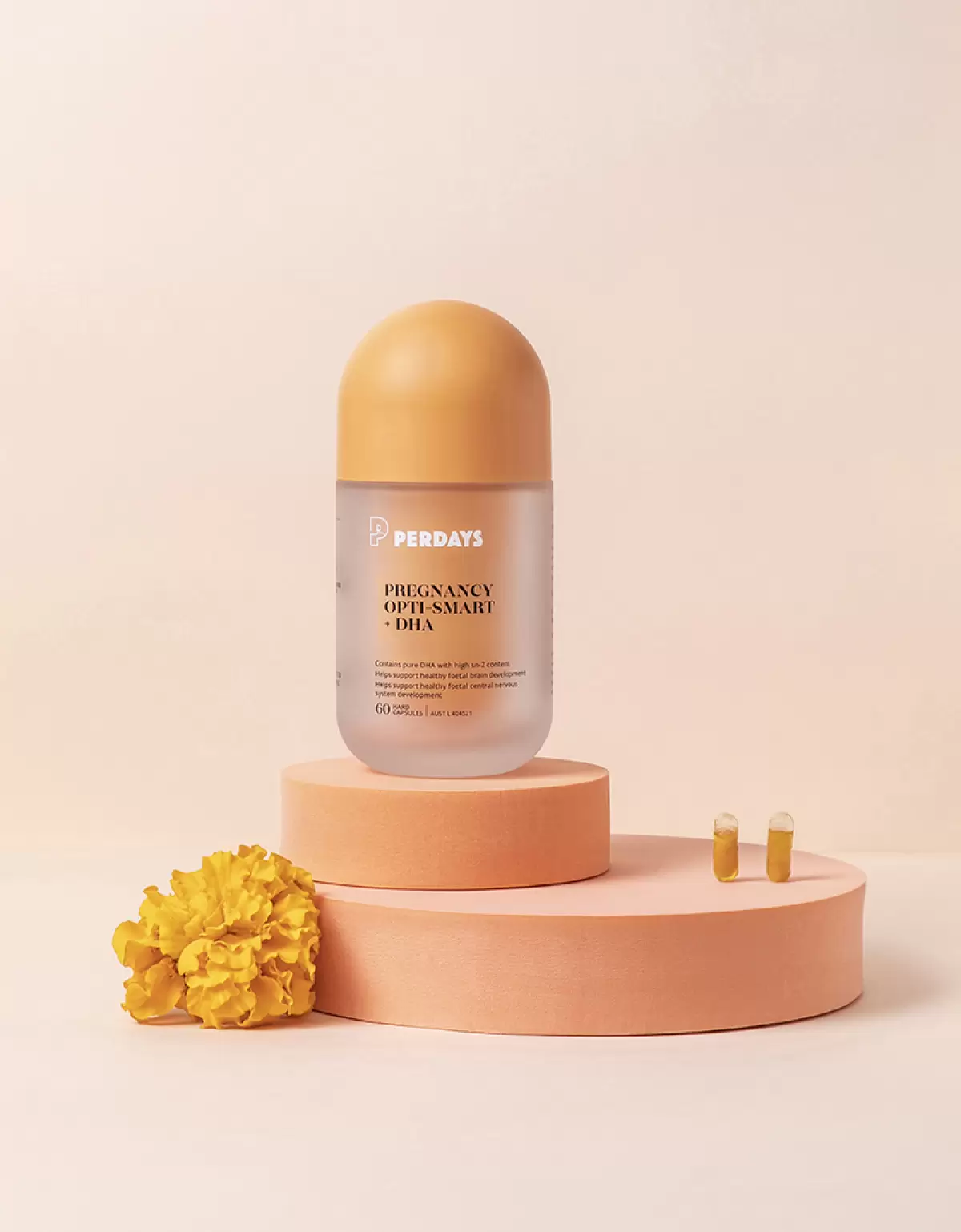
The road to successful breastfeeding begins when you fall pregnant. Supporting the growth and development of your baby while providing your body with everything it needs to grow and maintain a healthy baby. Perdays Pregnancy Opti-smart + DHA is a carefully selected formula that supports healthy foetal central nervous system and brain development whilst ensuring optimal absorption and assimilation by the body.
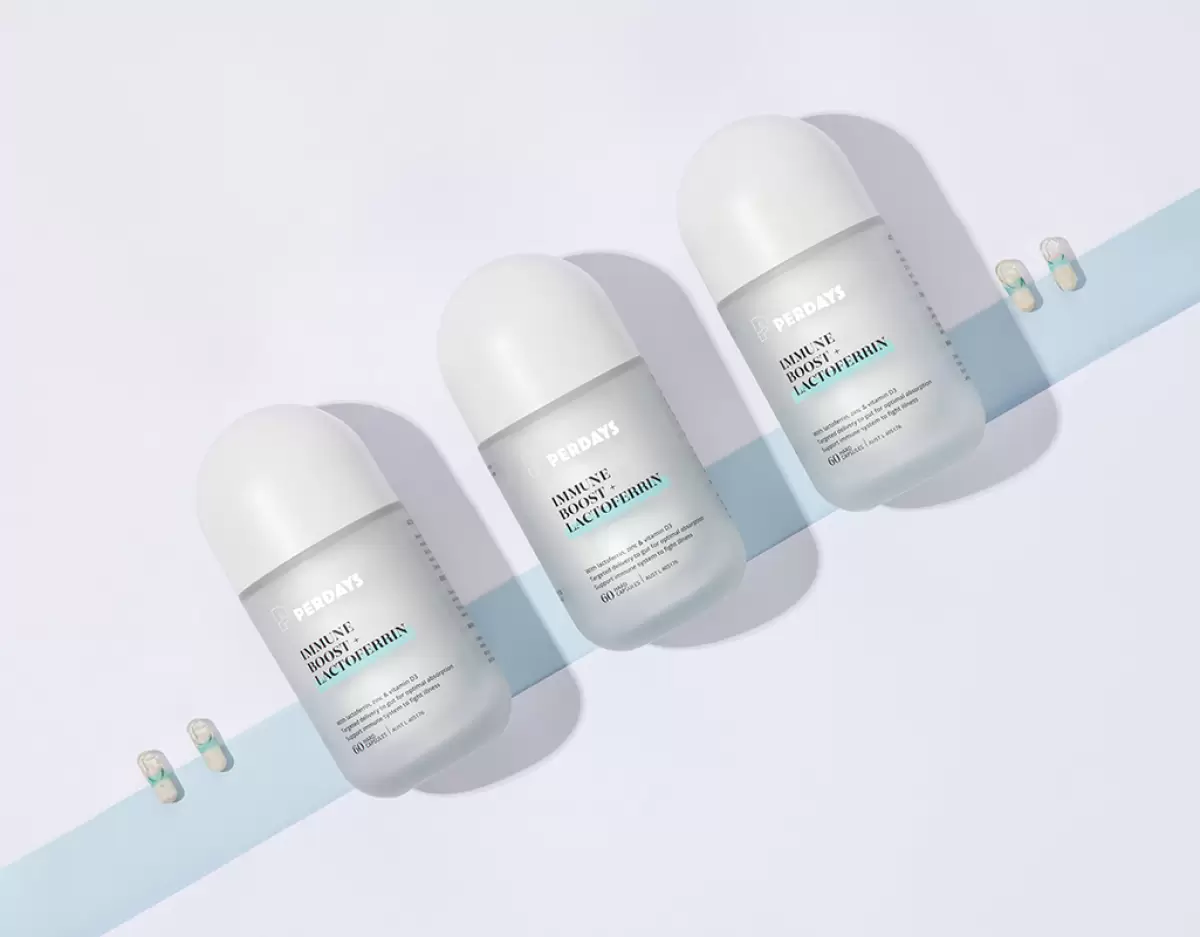
Likewise, supporting healthy immune system function whilst pregnant is essential to support the additional demands of foetal development, birth and breastfeeding! Perday’s Immune Boost + Lactoferrin has been formulated to support healthy immune system function and maternal health. This unique blend of nutrients includes Zinc, vitamin C and vitamin D combined with 100mg Bovine Lactoferrin per day to support immune system health.
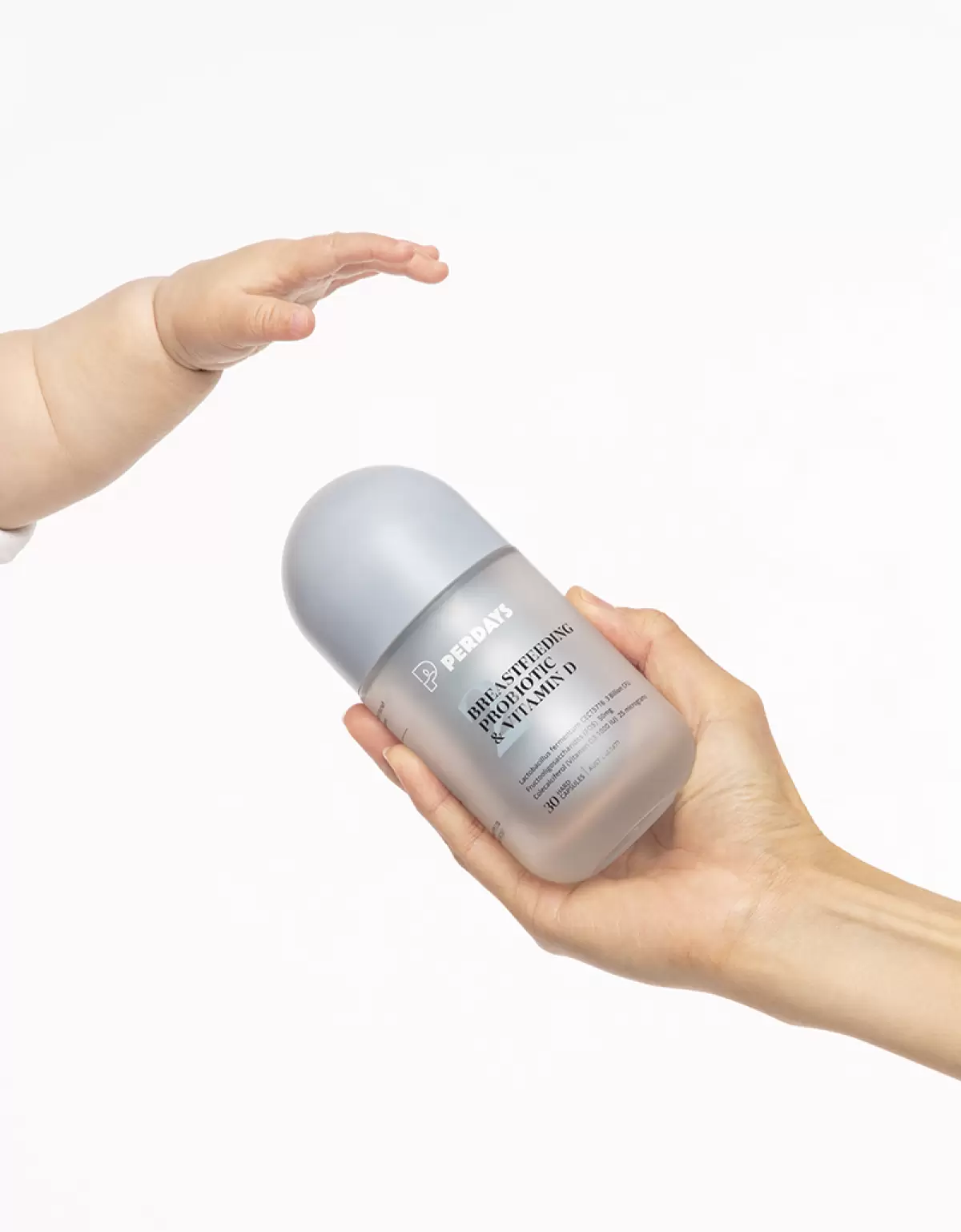
Then there’s the all-important breastfeeding probiotic. Perdays Breastfeeding Probiotic & Vitamin D supports infant growth and development during breastfeeding—combining the powerful probiotic strain, Lactobacillus fermentum CECT5716, with vitamin D and prebiotics. With breastfeeding already presenting countless challenges for new mothers, this innovative product can help reduce occurrence of symptoms of mild mastitis, which affects at least one in five women.

2. Educate yourself
Attend breastfeeding classes or workshops, read books, and consult with healthcare professionals to learn about breastfeeding techniques, positions, and the benefits of breastfeeding. Having this knowledge, particularly around baby’s latch can help prevent issues like blocked milk ducts and mastitis in the future.
3. Establish a support system
It’s always a great idea to identify a supportive network of family and friends who can provide encouragement, advice, and assistance during your breastfeeding journey. Touch base with women you know who have breastfed before, and seek out their trusted advice so you know what to expect and have a safe place to ask questions. You can also seek help from your local maternal child health clinic to ensure you can have any future questions answered.
4. A healthy lifestyle is essential
Maintain a healthy lifestyle by eating a balanced diet, staying hydrated, and engaging in regular exercise to support your overall health and milk production. A product like Hydramama is amazing to consume during breastfeeding as it’s full of vitamins and electrolytes to prevent dehydration.
5. Discuss medications with your healthcare provider
Talk to your healthcare provider about any medications you are taking to ensure they are safe during breastfeeding.
6. Create a comfortable nursing area
Odds are you’re going to be spending a lot of time there, so it makes sense to set up a cosy and private area where you can comfortably breastfeed your baby, complete with pillows, blankets, and a comfortable chair. We love nursing chairs designed for feeding for this!
7. Practice hand expression
Learn how to hand express milk as it can be useful in various situations, such as relieving engorgement or collecting colostrum, which is the ‘liquid gold’ that can be expressed in the days or weeks leading up to your milk coming in.
8. Purchase nursing bras and clothing and breastfeeding supplies
Invest in nursing bras, tops, and clothing that provide easy access to your breasts, making breastfeeding more convenient and comfortable. Likewise, arm yourself with breastfeeding supplies you may need, like nursing pads, breastfeeding ice packs, lanolin cream or other nipple creams to prevent dryness and cracking, as well as nipple shields.
9. Consider lining up a breast pump
Whilst you don’t need to purchase a breast pump before your baby arrives, it makes sense to do your research while you still have hours in your day free to do so! That way you’re better prepared when it comes time to consider purchasing or renting a breast pump for expressing milk when needed, such as for returning to work or for emergencies.
10. Learn about breastfeeding positions
Familiarise yourself with different breastfeeding positions, such as the cradle hold, football hold, and side-lying, to find what works best for you and your baby.
Disclaimer:
The One Fine Baby team are first and foremost mums - between us we have 25 children, and decades of experience in all things bump, baby and beyond. We regularly bring together our tried, researched and recommended products in a review style format such as this post. The articles include some paid inclusions which goes to helping us keep our audiences informed on the top products happening right here, right now in the parenting space. Please be sure that no product will ever be included in our articles, paid or otherwise, if it doesn’t deserve to be there.
You can start preparing for breastfeeding anytime during pregnancy, but most mums begin focusing on it in the second or third trimester. This is a great time to learn what to expect, attend a breastfeeding class, and talk with your midwife or lactation consultant. You don’t need to do anything special physically — your body is already getting ready on its own! Building knowledge and confidence now will make the early days of feeding your baby a little smoother.
The amazing thing is — your body naturally prepares itself! Your breasts may feel tender or fuller as milk-producing glands develop during pregnancy. You don’t need to toughen your nipples or express milk before birth. Instead, focus on staying hydrated, eating nourishing foods, and wearing a comfortable, supportive bra. After birth, your baby’s early skin-to-skin contact and frequent feeding will help your milk come in naturally.
It helps to learn about proper latch, feeding positions, and how to tell if your baby is feeding well. You can watch videos from trusted sources, join a prenatal breastfeeding class, or ask your hospital if they have a lactation consultant you can speak with. Understanding what’s normal — like cluster feeding or how often newborns nurse — can make those first few weeks less overwhelming and help you feel more prepared.
You don’t need a lot to get started, but a few essentials can make breastfeeding more comfortable. A supportive nursing bra, breast pads, and a nursing pillow are great to have on hand. Some mums also find nipple balm and a good water bottle helpful since breastfeeding can make you thirsty. If you plan to express milk later, you can research breast pumps and storage bags, but you don’t need them right away.
Support makes a world of difference! Your partner can help by learning about breastfeeding with you, offering encouragement, and taking over tasks like nappy changes or meal prep while you feed the baby. Emotional support is just as important — kind words, patience, and small gestures go a long way when you’re tired or learning. Breastfeeding may be your job physically, but it’s a team effort in spirit.
It’s completely normal to feel unsure — every mum has those worries. Remember that breastfeeding is a learning process for both you and your baby. Most challenges can be overcome with the right guidance and support. Try connecting with a lactation consultant early, even before giving birth, so you know where to turn if you need help later. And if breastfeeding doesn’t go perfectly, that’s okay too — what matters most is that your baby is fed and loved.