













.png.webp)


































'Vaginal And C-Section Birth, I've Done Both - Here's Which One I'd Do Next.'
By Olivia Mackinnon
I tell you what’s a big pet peeve of mine? Excuse me, I know this is a jarring way to begin a blog, but it just gets my goat when people describe a vaginal birth as giving birth ‘naturally’.
Don’t get me wrong, I don’t think anyone is trying to be an a-hole. I just think it creates the impression that anything other than a vaginal birth is ‘unnatural’ - and there’s a somewhat negative connotation with that, whether we’re talking about a C-Section or Vaginal birth.
C-Section or Vaginal Birth?
Things I loved about the vaginal birthing process
Things I loved about the C-section process
Okay, here’s why it irks me personally.
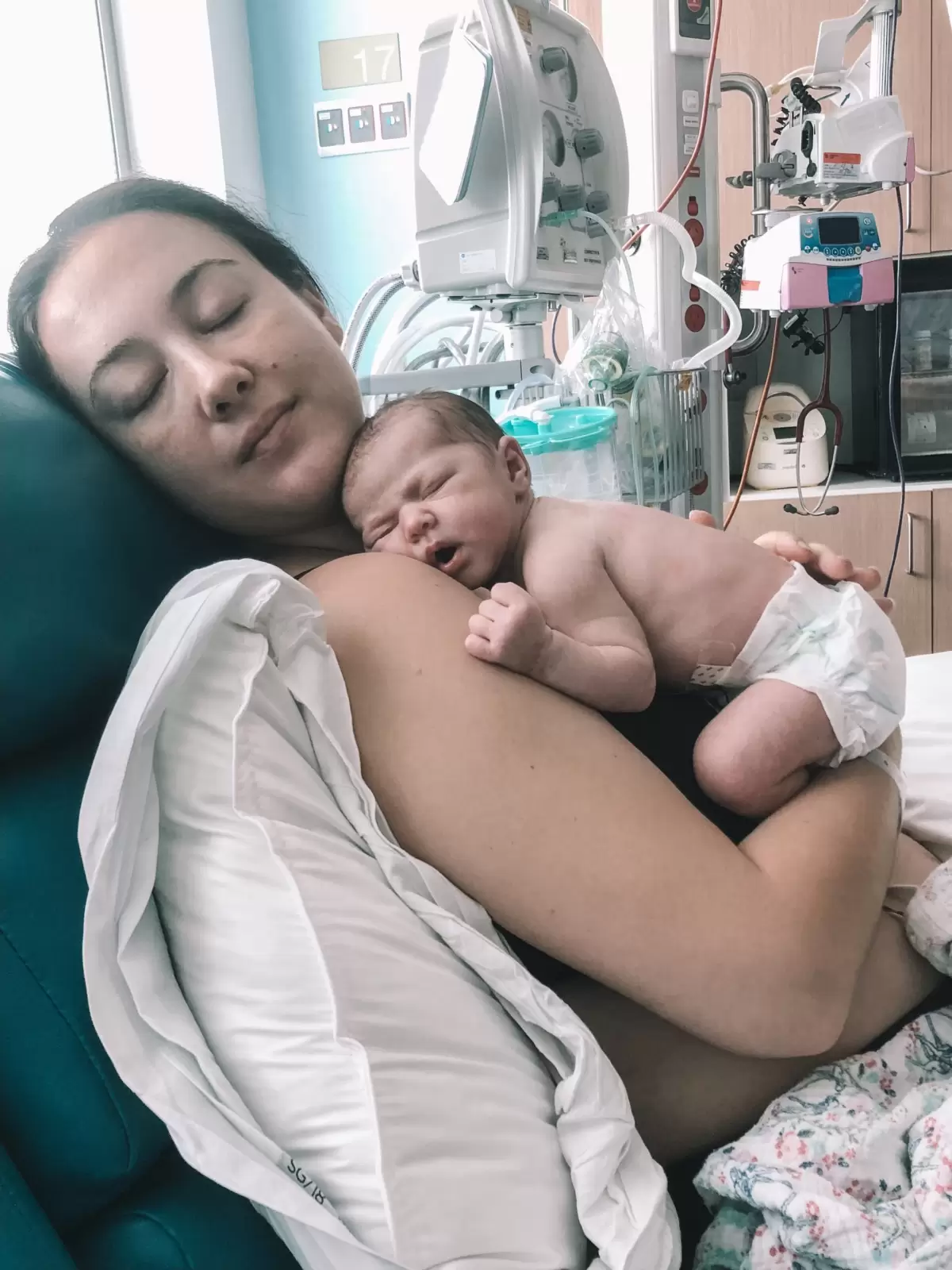
I gave birth to my daughter in 2019. I had a textbook pregnancy and birth, even obnoxiously dilating 1cm every hour - like all the midwives hope for. My epidural went smoothly, and it wasn’t until doctors had to intervene with forceps to pull her out - and I suffered a third-degree tear - that my birthing experience became less than ‘picture perfect’.
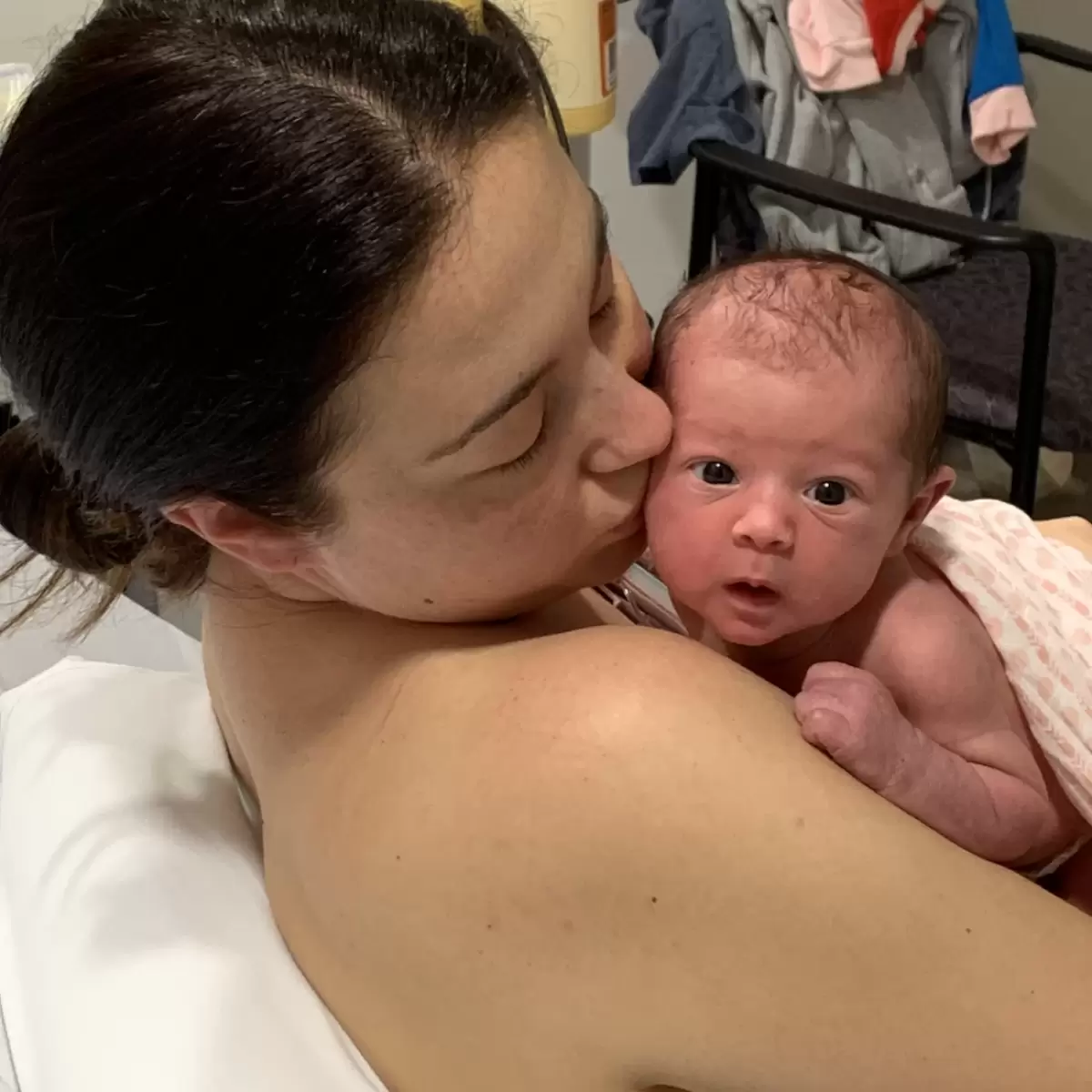
First cuddles with baby Eva.
Difference Between C-Section and Vaginal Birth
After what I’m sure was 764 stitches, weeks of keeping Movicol in business and praying that I still had control of my bladder and bowels, I realised I had somehow pulled through to be (almost) completely unscathed. Phew.
Things I loved about the vaginal birthing process:
1. Despite the pain, I loved that I could really ‘feel’ things progressing. The entire labour birth process felt very exciting, albeit painful, because we had waited to meet her for so long.
2. Though I like to feel organised, there was also a part of the unknown that exhilarated me.
3. I felt a sense of accomplishment after she had been delivered, more so than I felt with my c-section, and despite receiving intervention.
So that was my ‘natural’ birth story. I gave birth vaginally, but needed forceps to finish the job because her heart rate was dropping and I was becoming septic. Does any of that sound ‘natural’ to you?
That’s what I thought.
So two short years later, when I found out I was pregnant with my son, I decided to thank my lucky stars that I had made it through the birth of my daughter mostly unscathed, and err on the side of caution. I opted for an elective C-section.
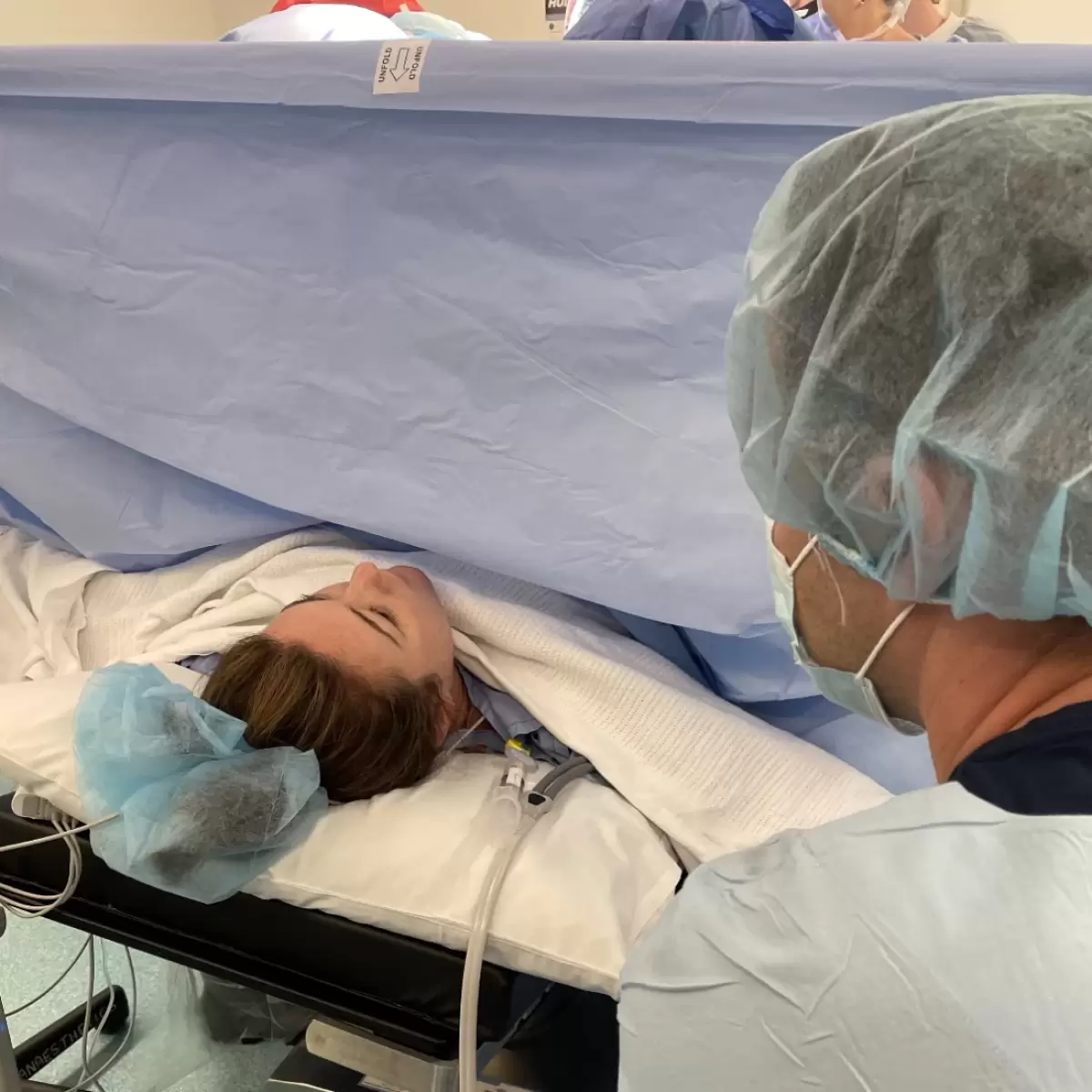
Moments before meeting Freddie James.
It should be said that throughout my entire pregnancy, midwives and healthcare professionals tried to convince me that it was safe to proceed with a vaginal birth if I wanted. I did not want. I wasn’t taking any chances - I didn’t want to risk re-tearing - and permanent damage.
Things I loved about the C-section process:
1. I was booked in on a particular date that the doctors suggested and I agreed on. I was first cab off the rank at 7am, given there were no emergency C-sections, which there was - but that was fine, there were no contractions to contend with.
2. This meant I was able to organise care of my daughter ahead of time.
3. I was awake throughout the entire procedure, not in any pain, and able to take in the music being played in theatre, and truly absorb every moment of the birth.
4. You’re not made to lay in bed like an invalid for days after birth. On the contrary, doctors want you up and about and moving the very next day!
5. I didn’t worry about things going ‘wrong’ as much, as we were in a theatre, rather than a birthing suite.
6. I felt somewhat in control of the process. We felt ‘ready’ on our terms and this made me more relaxed to absorb his arrival.
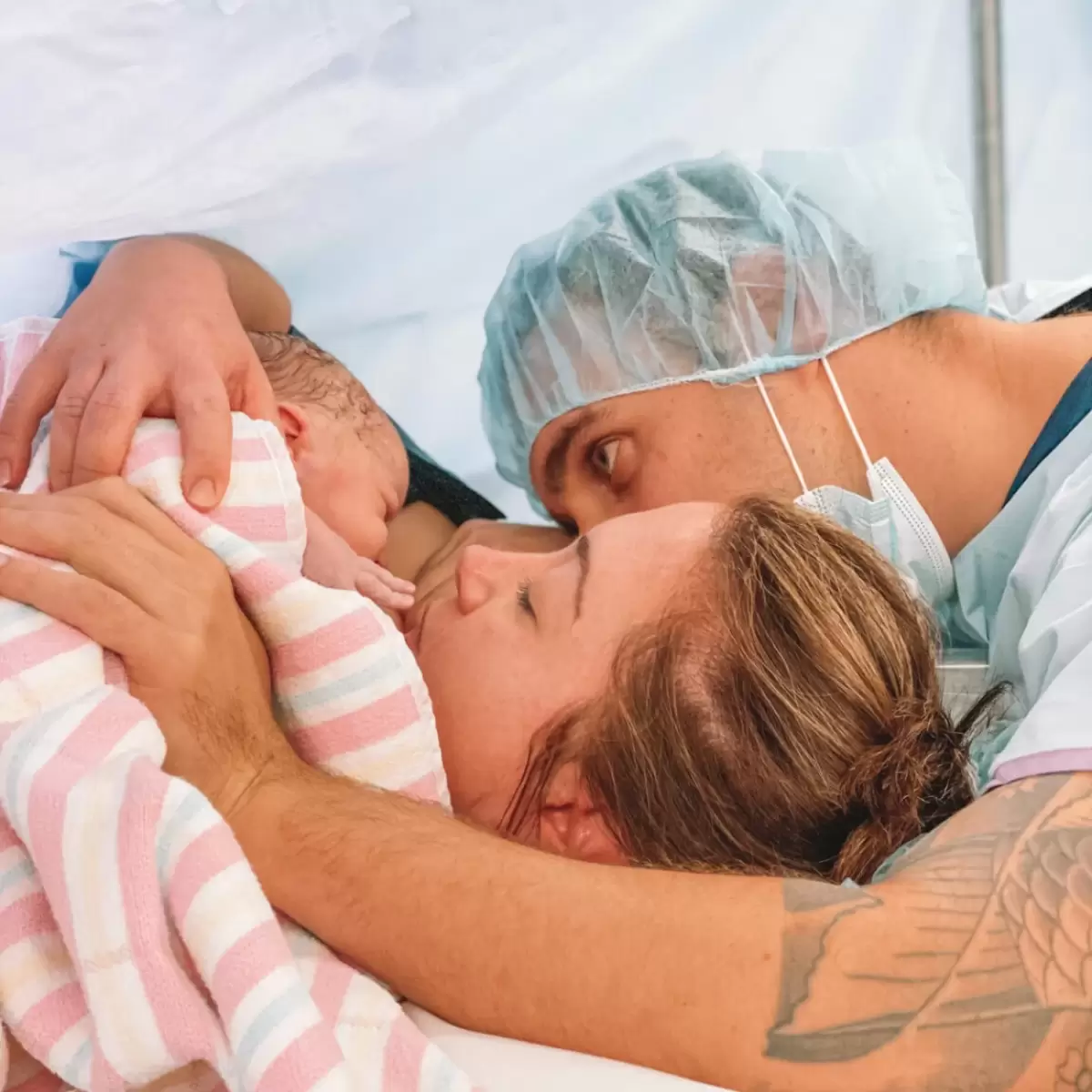
It should be said. Even though I preferred the birth of my son, I’m not trying to convince anyone that they should opt for an elective C-section. I’m merely trying to abolish the stigma around Cesareans. They’re not some unattached, unnatural form of childbirth that should be feared. In fact, it’s the option I would absolutely choose again if I was to fall pregnant again (which I won’t, husband, if you’re reading this).
Like with anything to do with pregnancy and parenting, for that matter, a decision like how you’re going to give birth should be decided by you and your medical team weighing up what is best for you and for the baby. As we all know, sometimes this is taken out of our hands due to a medical complication, or the baby being in the wrong position. I want you to know that’s okay.
At the end of it all, you get a beautiful baby in your arms, and shouldn’t that be all that really matters? Likewise, the thing to remember is how lucky we are to have such incredible options available to us for childbirth, and how incredible and supportive the medical professionals who help us deliver our babies really are.
Olivia is the content editor at One Fine Baby, and mum to Eva (2) and Freddie (10 months), as well as a keen dancefloor and cappuccino enthusiast.
Not sure when your baby is due? Check out our pregnancy due date calculator to get accurate timing for your pregnancy journey.
Disclaimer:
This is strictly an opinion piece, based on one person's experiences. In no way are we suggesting medical advice. If you have any questions regarding birthing methods, you should contact your healthcare professional.
In most cases, vaginal birth is encouraged because recovery is generally quicker, and it allows for immediate skin-to-skin contact with your baby. However, some women may choose or need a C-section for medical or personal reasons, such as previous complications, multiple births, or a breech baby. It’s best to discuss your preferences and medical history with your doctor or midwife early on so you can create a birth plan that feels safe and right for you.
Vaginal birth often comes with a shorter hospital stay and quicker physical recovery compared to a C-section. It also helps your baby clear fluid from their lungs naturally during delivery, and many mums find bonding and breastfeeding easier afterward. While labour can be unpredictable, your healthcare team will support you every step of the way to ensure a safe and positive experience.
Sometimes, a C-section is the safest option for you or your baby. This could be due to medical reasons like placenta previa, fetal distress, a breech position, or stalled labour. Some C-sections are planned in advance, while others happen unexpectedly during labour if complications arise. Remember, a C-section doesn’t make your birth experience any less special — it’s still a moment of incredible strength and love.
Recovery after a C-section usually takes a bit longer since it’s major surgery. You’ll likely spend a few days in the hospital and may need to take things slowly for about six weeks. Gentle movement, good nutrition, and lots of rest are key. Avoid lifting heavy objects, and don’t hesitate to ask for help at home while your body heals. Your doctor will guide you on wound care, pain relief, and when it’s safe to resume normal activities.
Most women feel physically recovered within a few weeks, although everyone heals at their own pace. You may experience soreness, bleeding, and fatigue as your body adjusts. Taking care of yourself — staying hydrated, resting when possible, and using gentle perineal care — helps speed up recovery. Even after a smooth birth, emotional ups and downs are normal, so lean on your support system and talk to your healthcare provider if you’re struggling.
In many cases, yes! A vaginal birth after a previous C-section (known as VBAC) can be a safe option, depending on your medical history and the reason for your earlier C-section. Your doctor will assess your individual situation and monitor you closely if you choose to try for a VBAC. Many mums find it empowering to experience labour naturally after a previous surgical birth.