













.png.webp)


































5 Tips For Easing Pregnancy Bloating And Constipation
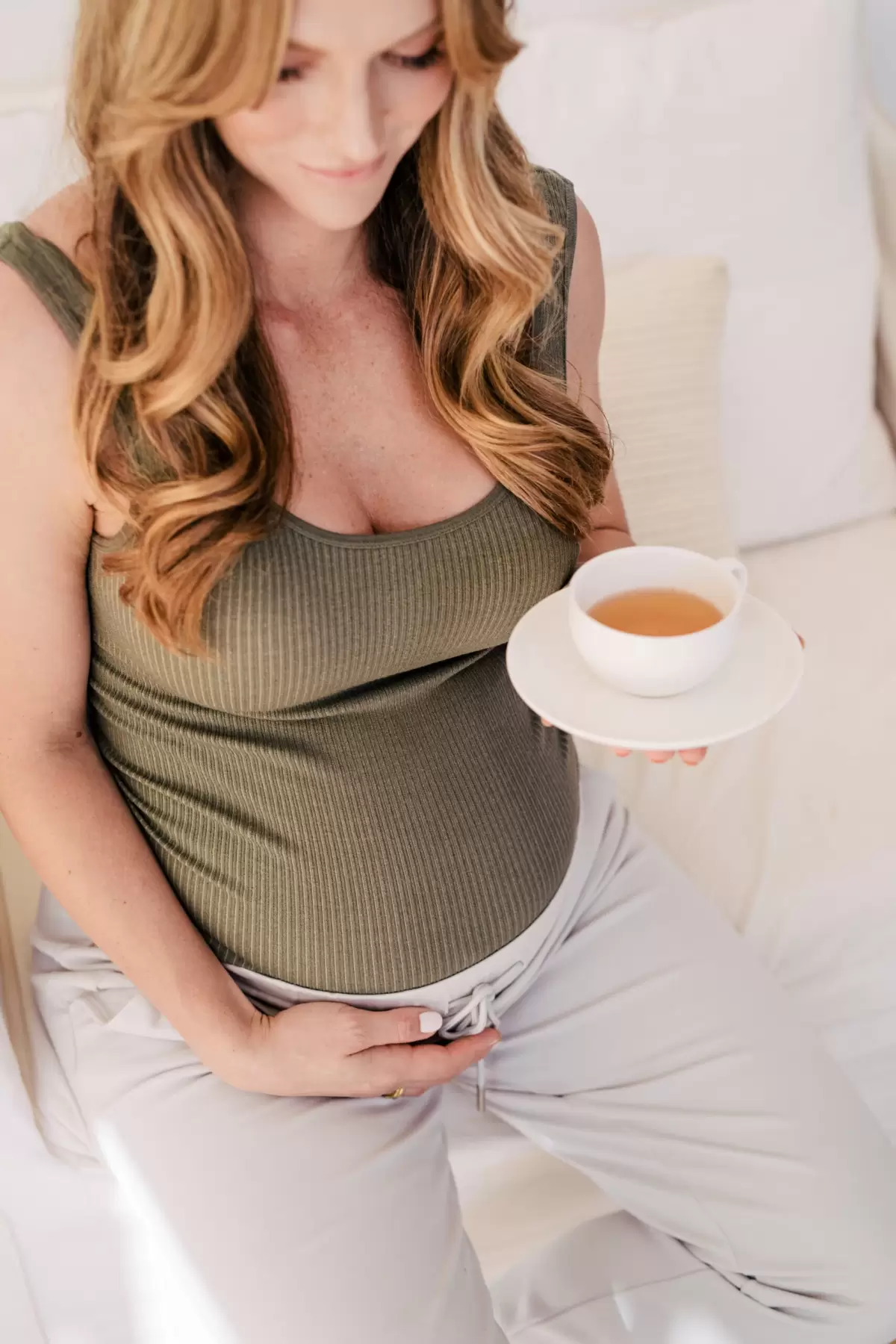
Ahhhhh pregnancy… such a time of joy and anticipation. Glorious shiny locks, glowing skin, and people around you basically forcing you to rest! Unfortunately, however, for many women, pregnancy doesn’t look anything like this! In fact, for many women, pregnancy can come with a whole bunch of unwanted challenges, and two of the more common complaints we hear about are uncomfortable bloating and constipation. So, to help you find relief, the brains at Day One Fertility have compiled our top 5 tips on how to ease bloating and constipation during pregnancy.
Not sure when your baby is due? Check out our pregnancy due date calculator to get accurate timing for your pregnancy journey.
Check out these Tips on How to Ease Bloating and Constipation During Pregnancy:
Carry a water bottle everywhere
But first, why?
It seems unfair that you can get thrown so many curve balls (hello, ‘morning’ sickness…all day) when you’re just trying to feel excited about the life you’re creating. There are many reasons for bloating and constipation. Our digestive system may underperform during pregnancy, including hormonal changes, stress, anxiety, diet, low fluid intake, or taking certain medications and supplements, just to name a few!
Here are the 5 tips to relieve your constipation and bloating during pregnancy:
1. Carry a water bottle everywhere
Pregnant women need more fluids! The best option during pregnancy to decrease bloating and aid digestion is plain, still water. Don’t be tempted to hit the sparkling waters, as the extra air in this may increase bloating! Also, make sure you remember to limit your caffeine intake, as this can also mess with your digestion!
2. Probiotics

Probiotics have well-and-truly made it into the mainstream, and for good reason! Studies have shown that taking a specific probiotics during pregnancy may help to relieve gastrointestinal issues, such as bloating and constipation, for some people. Despite this promising evidence, it’s still always a good idea to talk to your health practitioner before adding in a supplement…particularly during pregnancy.
3. Eat smaller meals, more often
You may have heard that doing this can help reduce morning sickness, and the same goes for reducing bloating! Eating smaller meals decreases the ‘load’ of food that your digestive system has to deal with all at once, helping to reduce the pain and discomfort caused by bloating.
4. Well-planned supplements
Not all supplements are created equal! Many women experience iron deficiency during pregnancy and are advised to take an iron supplement. Unfortunately, one of the more common forms of iron supplementation, ferrous fumarate, is the most common cause of constipation! Other forms, such as ferrous bisglycinate, are generally better tolerated, with reports of reduced bloating, pain, and constipation than those taking ferrous fumarate. Always plan your pregnancy supplements with the help of a trained professional.

Australians generally don’t eat anywhere near getting enough fibre, with adults only eating an average of 18.2 grams per day…a fair way short of the recommended 28g/day for pregnant women! Consuming high fibre foods to relieve constipation during pregnancy can help reduce bloating and promote digestive comfort. There are two main types of fibres, soluble and insoluble, and whilst it’s a great idea to aim for a bit from both camps, it is worth knowing that they can have varying effects on your symptoms, depending on how sensitive your gut is, so take it slow! To acquire a variety of soluble and insoluble fibres, aim to eat whole plant foods including fruits, vegetables, nuts, seeds, whole grains, and legumes. Always increase daily fibre gradually to give your gut a chance to adapt, and increase your water intake alongside any increase in fibre to help reduce unwanted bloating. Fibre in kiwifruit, which contains both soluble and insoluble fibres, is a particularly great fruit to eat to help relieve constipation and bloating in people with gut issues, so it’s one we always recommend adding to your trolley!
By Brittany Darling and Jacqueline Alwill from Day One Fertility.
Day One Fertility are an online community that offer courses, ebooks and meal planners for everything reproductive health (fertility, pregnancy, post birth and beyond). Check out their incredible Nutrition for Pregnancy course and the awesome Nutrition for Post Birth and Beyond course right here.
It’s very common to feel bloated or constipated while pregnant, and it mostly comes down to hormones. Your body produces more progesterone, which relaxes your muscles—including those in your digestive tract. This slows digestion and can make you feel full or gassy. As your baby grows, your uterus also presses against your intestines, making things move even slower. Iron supplements can sometimes add to the problem. Try to be patient with your body—gentle movement, hydration, and fibre can make a big difference.
One of the easiest ways to ease constipation during pregnancy is by eating more fibre-rich foods. Try adding fruits like apples, pears, or prunes, along with plenty of veggies, whole grains, and beans to your meals. A sprinkle of chia or flaxseeds in your yogurt or smoothie can also give your digestion a gentle push. Just make sure you’re drinking lots of water throughout the day—fibre only works well when your body’s hydrated. With the right balance, you’ll feel lighter and more comfortable in no time.
Drinking enough water is one of the best ways to keep bloating and constipation under control during pregnancy. Try to have around 8 to 10 glasses a day, and a little more if it’s hot or you’re staying active. Water keeps your digestion moving smoothly and helps soften stools, making them easier to pass. If plain water feels dull, you can jazz it up with fresh fruit slices like lemon, cucumber, or berries. Warm, pregnancy-safe herbal teas such as ginger or peppermint can also bring comfort and help calm your stomach.
Yes, it really can! Moving your body, even just a little, helps your digestion work better and eases that bloated, heavy feeling. Try taking short walks, doing gentle stretches, or joining a prenatal yoga class—whatever feels comfortable for you. You don’t need to overdo it; consistency matters more than intensity. A bit of movement each day keeps things flowing naturally and can also lift your mood and energy levels, helping you feel lighter and more at ease throughout your pregnancy.
If constipation becomes painful, lasts for several days, or you notice bleeding, it’s best to reach out to your doctor. They might suggest a stool softener or check if your prenatal vitamins are contributing to the issue. Avoid using over-the-counter laxatives without medical advice, as some aren’t safe during pregnancy. Remember—your healthcare provider is there to help you find gentle, safe relief so you can stay comfortable and healthy while your baby grows.